
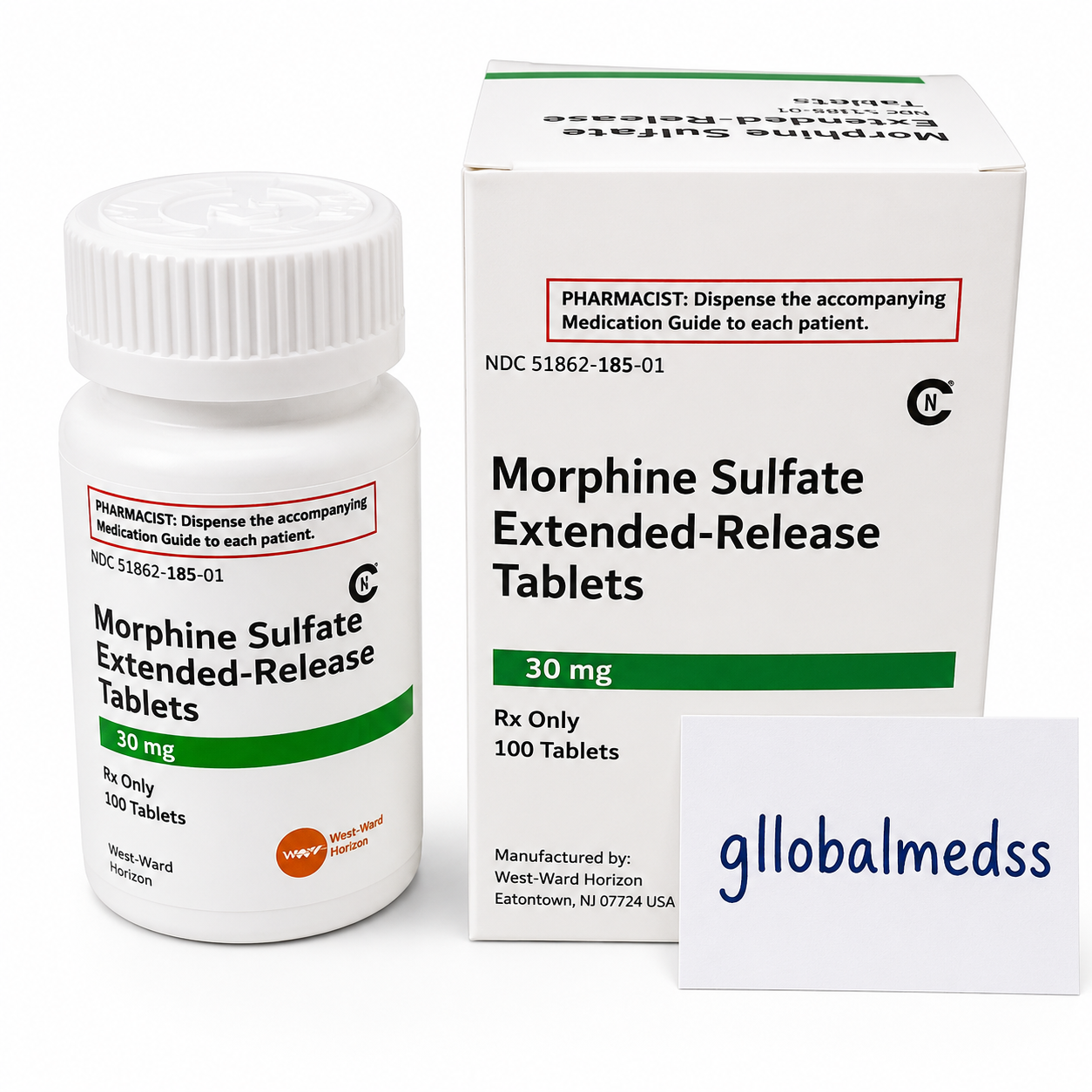

Buy Morphine Sulfate Tablet Online
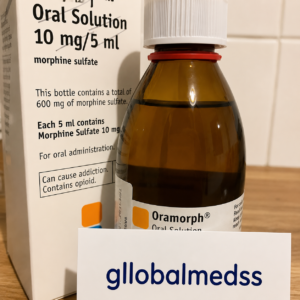
Buy Morphine Sulfate Tablet Online. Pain management plays an important role in healthcare, helping individuals maintain comfort, mobility, and quality of life during illness, injury, or chronic medical conditions. For patients experiencing moderate to severe pain, healthcare professionals may prescribe opioid medications as part of a carefully supervised treatment plan. One commonly used opioid medication is Morphine Sulfate Tablets, which contain morphine sulfate, a powerful prescription analgesic used for pain relief under medical supervision.
At Gllobal Medss, we believe that access to reliable healthcare information helps patients and caregivers make informed decisions regarding treatment options and overall wellness. This educational guide explains what Morphine Sulfate Tablets are, how they work, their medical uses, potential benefits, possible side effects, safety considerations, and the importance of responsible opioid use.
What Are Morphine Sulfate Tablets?
Morphine has been used in medical practice for many decades and remains an important treatment option for certain pain conditions when prescribed appropriately by qualified healthcare professionals.
Healthcare providers may prescribe Morphine Sulfate Tablets for:
- Cancer-related pain
- Severe chronic pain
- Post-surgical pain
- Serious injury-related pain
- Palliative and supportive care
- Pain requiring opioid treatment
Because morphine is a controlled medication with important safety risks, it should only be used according to professional medical guidance.
How Morphine Sulfate Works
Pain signals travel through nerves to the brain, where they are interpreted as discomfort. Morphine works by binding to opioid receptors located throughout the nervous system.
This action may help:
- Reduce pain perception
- Improve comfort levels
- Support physical functioning
- Enhance quality of life
- Reduce severe discomfort associated with illness or injury
The medication’s effectiveness varies depending on the individual’s medical condition, dosage, pain severity, and overall health status.
Medical Uses of Morphine Sulfate Tablets
Cancer Pain Management
Many cancer patients experience moderate to severe pain related to the disease itself or treatment procedures. Morphine may be prescribed as part of a comprehensive pain management plan.
Postoperative Pain Relief
After major surgery, healthcare providers may prescribe opioid medications temporarily to help control severe discomfort during recovery.
Severe Injury Management
Traumatic injuries may result in pain requiring strong prescription analgesics under close supervision.
Palliative Care
Morphine is commonly used in palliative and supportive care settings to improve comfort and quality of life for patients facing serious illnesses.
Benefits of Effective Pain Management
Pain management may positively influence many aspects of health and daily life.
Improved Comfort
Reducing pain may help patients perform daily activities more comfortably.
Better Mobility
Effective pain control may improve movement and participation in rehabilitation programs.
Improved Sleep
Persistent pain often interferes with rest and recovery. Proper symptom management may contribute to healthier sleep patterns.
Enhanced Emotional Well-Being
Chronic pain can affect mental health and emotional wellness. Appropriate treatment may help improve overall quality of life.
Support for Recovery
Managing discomfort effectively may support rehabilitation, physical therapy, and healing processes.
Understanding Opioid Medications
Opioids are medications that interact with specific receptors in the nervous system to reduce pain signals.
Examples of opioid medications include:
- Morphine
- Oxycodone
- Hydromorphone
- Fentanyl
- Codeine
While opioid medications may provide important therapeutic benefits for some patients, they also carry significant risks requiring careful medical oversight.
Healthcare providers evaluate both benefits and risks before recommending opioid treatment.
Common Side Effects of Morphine Sulfate Tablets
Like all medications, morphine may cause side effects.
Common side effects may include:
- Drowsiness
- Dizziness
- Nausea
- Vomiting
- Constipation
- Dry mouth
- Fatigue
- Sweating
- Mild confusion
Not all individuals experience side effects, and the severity varies between patients.
Patients should discuss any concerns or unusual symptoms with their healthcare provider.
Serious Safety Risks
Because morphine affects the central nervous system, important safety considerations exist.
Excessive Sedation
Some patients may experience significant drowsiness or impaired alertness.
Dependence
Long-term opioid use may result in physical dependence as the body adapts to the medication.
Misuse and Addiction
Improper use may increase the risk of harmful outcomes, including misuse and addiction.
Overdose
Taking excessive amounts of morphine can result in life-threatening consequences requiring emergency medical attention.
Importance of Healthcare Supervision
Healthcare professionals carefully evaluate patients before prescribing morphine.
Factors considered may include:
- Medical history
- Current medications
- Pain severity
- Respiratory health
- Existing medical conditions
- Mental health history
- Treatment goals
Regular follow-up appointments help ensure treatment effectiveness and patient safety.
Safe Medication Practices
Patients prescribed Morphine Sulfate Tablets should follow important safety recommendations.
Use Exactly as Directed
Always follow dosage instructions provided by your healthcare professional.
Never Share Medication
Prescription opioids should never be shared with other individuals.
Store Securely
Keep medication in a secure location away from children and unauthorized persons.
Attend Follow-Up Appointments
Regular evaluations help healthcare providers monitor progress and safety.
Avoid Alcohol and Sedatives
Combining morphine with alcohol or certain sedative medications may increase serious risks.
Drug Interactions
Morphine may interact with numerous medications and substances.
Examples include:
- Alcohol
- Sedatives
- Sleeping medications
- Anti-anxiety medications
- Certain antidepressants
- Other opioid medications
Patients should always provide healthcare professionals with a complete list of medications, supplements, and over-the-counter products they use.
Alternative Pain Management Approaches
Pain management often involves a combination of therapies tailored to the individual patient.
Physical Therapy
Therapeutic exercises may improve mobility, strength, and recovery.
Lifestyle Modifications
Helpful practices include:
- Balanced nutrition
- Regular movement
- Stress management
- Adequate sleep
- Weight management
Psychological Support
Behavioural therapies may help individuals cope with chronic pain and improve emotional well-being.
Multidisciplinary Care
Many patients benefit from coordinated care involving physicians, nurses, therapists, and other healthcare professionals.
Understanding Chronic Pain
Chronic pain affects millions of people worldwide and may result from various medical conditions.
Common causes include:
- Arthritis
- Back disorders
- Nerve injuries
- Cancer-related conditions
- Musculoskeletal disorders
- Previous trauma or surgery
Successful pain management often requires individualised treatment plans designed by qualified healthcare providers.
Importance of Patient Education
Patient education is an important component of healthcare and medication safety.
Benefits include:
- Better understanding of treatment options
- Improved medication adherence
- Increased awareness of side effects
- Better communication with healthcare professionals
- Improved health outcomes
Reliable healthcare information helps individuals make informed decisions regarding treatment and wellness.
When to Seek Immediate Medical Attention
Emergency medical care should be sought if a patient experiences:
- Difficulty breathing
- Extreme drowsiness
- Loss of consciousness
- Severe allergic reactions
- Signs of overdose
- Significant confusion
- Unusual changes in alertness
Prompt medical attention can be critical in emergency situations.
Supporting Overall Wellness
Recommended wellness practices include:
- Following healthcare instructions
- Staying physically active when appropriate
- Maintaining balanced nutrition
- Managing stress effectively
- Attending regular healthcare appointments
- Getting adequate sleep
These habits may contribute positively to the quality of life and long-term wellness.
Trusted Healthcare Information and Support
Access to reliable healthcare information helps patients make informed decisions regarding pain management and wellness.
For educational healthcare resources, visit:
Gllobal Medss Official Website
Contact Information:
- WhatsApp: +1 (505) 239-4465
- Email: globalmeds57@gmail.com
Final Thoughts
Morphine Sulfate Tablets are prescription opioid medications used for the management of moderate to severe pain under professional medical supervision.
Individuals experiencing significant pain should consult qualified healthcare professionals to determine appropriate treatment options based on their medical needs.
To learn more about healthcare information and wellness resources, visit Gllobal Medss today.
| Quantity | 1 bottle, 2 bottles, 4 bottles |
|---|
Be the first to review “Buy Morphine Sulfate Tablet Online”
Related products

Product

Product
Product

Reviews
There are no reviews yet.