
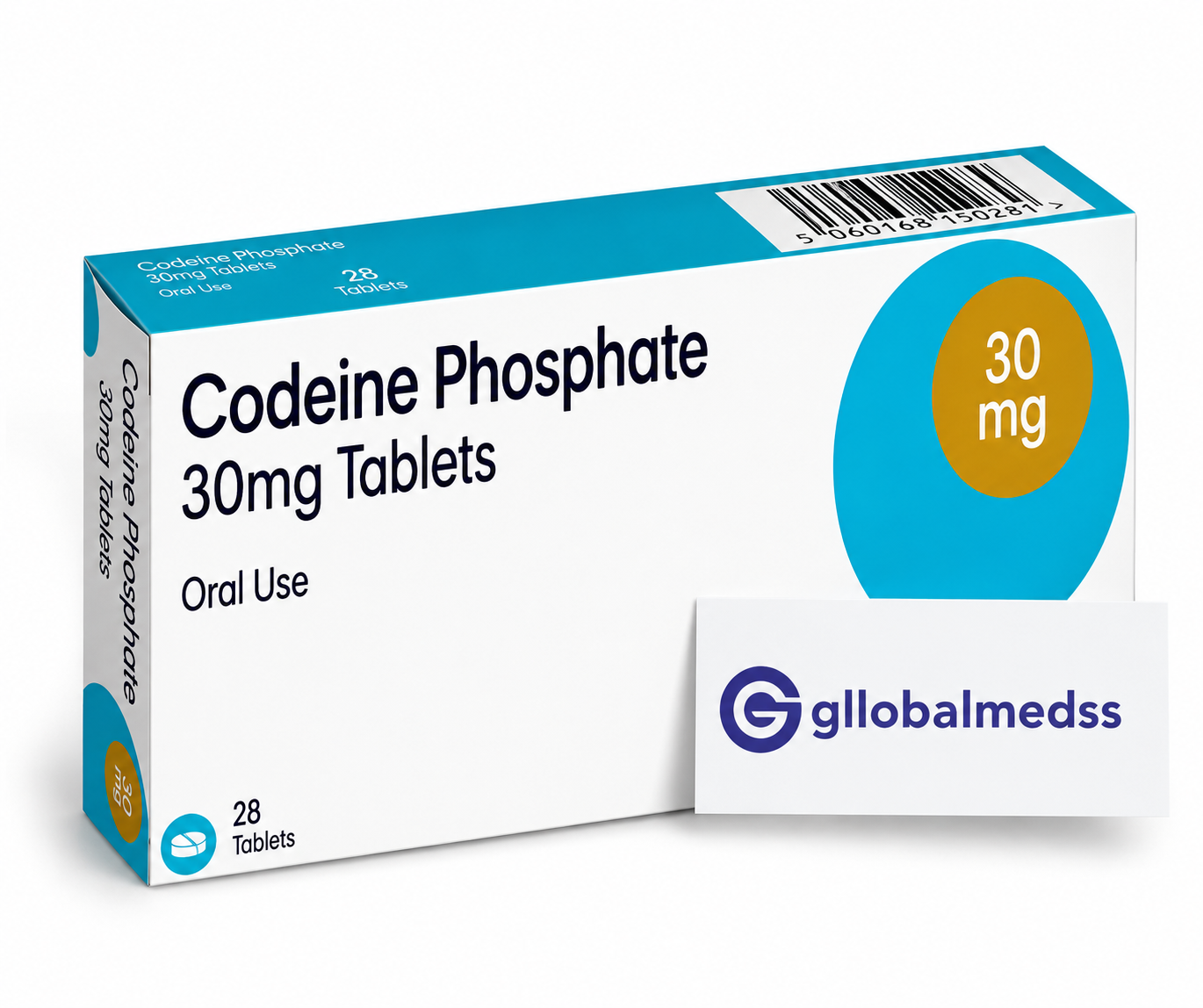


Buy Codeine Phosphate 30mg Pills Online
Buy Codeine Phosphate 30mg Pills Online are prescription medications commonly used for the short-term management of mild to moderate pain when other pain-relief options may not provide sufficient benefit. Codeine belongs to a group of medicines known as opioid analgesics, which work by affecting how the brain and nervous system respond to pain signals. Healthcare professionals may prescribe codeine as part of a carefully monitored treatment plan based on a patient’s individual needs and medical history.
This educational guide explains what Codeine Phosphate 30mg Tablets are, how they work, common medical uses, potential benefits, possible side effects, important safety considerations, and the importance of responsible medication use.
What are Codeine Phosphate 30mg Tablets?
Codeine phosphate is an opioid pain-relief medication that has been used in healthcare settings for many years. It is commonly prescribed for short-term pain management and may sometimes be used in combination with other medications as part of a broader treatment strategy.
Healthcare professionals may prescribe Codeine Phosphate Tablets for:
- Mild to moderate pain
- Pain following injury
- Postoperative pain management
- Certain medical conditions cause discomfort
- Short-term pain relief when other treatments are insufficient
Because codeine is an opioid medication, treatment requires careful medical supervision and adherence to prescribed instructions.
How Codeine Works
Pain signals travel through the body’s nervous system to the brain, where they are interpreted as discomfort. Codeine works by interacting with opioid receptors in the brain and spinal cord, helping reduce the perception of pain.
This action may help:
- Relieve pain symptoms
- Improve comfort levels
- Support recovery following injury or surgery
- Improve participation in daily activities
- Enhance the overall quality of life during treatment
The effects vary between individuals depending on factors such as health status, dosage, and the underlying cause of pain.
Understanding Pain Management
Pain is an important protective mechanism that alerts the body to injury or illness. However, significant or persistent pain can affect physical function, emotional well-being, sleep quality, and daily activities.
Common causes of pain include:
- Injuries
- Surgical procedures
- Musculoskeletal conditions
- Dental procedures
- Inflammatory conditions
- Certain chronic health disorders
Healthcare professionals assess the severity and cause of pain before recommending appropriate treatment options.
Common Medical Uses of Codeine Phosphate 30mg Tablets
Short-Term Pain Relief
Codeine is commonly prescribed for temporary pain that interferes with daily functioning and requires prescription-strength management.
Postoperative Recovery
Following surgical procedures, healthcare providers may prescribe pain-relief medications to help patients remain comfortable during recovery.
Injury-Related Pain
Moderate pain associated with fractures, sprains, or other injuries may sometimes require prescription treatment under professional supervision.
Pain Associated With Medical Conditions
Certain health conditions may result in pain that requires individualised treatment plans developed by healthcare professionals.
Potential Benefits of Appropriate Pain Management
When prescribed appropriately and monitored by healthcare professionals, codeine treatment may provide several benefits.
Improved Comfort
Reducing pain may help patients feel more comfortable throughout the day.
Better Physical Function
Effective pain management may support mobility and participation in normal activities.
Enhanced Recovery
Pain control may help individuals engage more effectively in recovery and rehabilitation programs.
Improved Sleep Quality
Reducing discomfort may contribute to better rest and overall well-being.
Better Quality of Life
Managing pain effectively may positively influence emotional health and daily functioning.
Importance of Professional Medical Supervision
Healthcare providers carefully evaluate patients before prescribing opioid medications.
Factors considered may include:
- Medical history
- Pain severity
- Current medications
- Existing medical conditions
- Previous opioid exposure
- Potential risks and benefits
Regular follow-up appointments help ensure treatment remains safe and effective.
Common Side Effects
Like all medications, Codeine Phosphate Tablets may cause side effects.
Common side effects may include:
- Drowsiness
- Dizziness
- Nausea
- Constipation
- Dry mouth
- Fatigue
- Headache
- Mild confusion
Not every patient experiences side effects, and the severity varies between individuals.
Patients should discuss persistent or concerning symptoms with their healthcare provider.
Important Safety Considerations
Because codeine affects the central nervous system, responsible use is essential.
Take Medication Exactly as Prescribed
Patients should always follow dosage instructions provided by their healthcare professional.
Avoid Alcohol
Combining codeine with alcohol may increase the risk of serious side effects, including excessive sedation and breathing difficulties.
Use Caution When Driving
Some individuals may experience reduced alertness or slower reaction times during treatment.
Store Medication Securely
Prescription opioid medications should be stored safely and kept out of reach of children and unauthorised individuals.
Attend Follow-Up Appointments
Routine evaluations help healthcare professionals monitor treatment effectiveness and patient safety.
Dependence and Misuse Risks
Like other opioid medications, codeine carries risks that require careful management.
Potential concerns may include:
- Physical dependence
- Tolerance development
- Withdrawal symptoms
- Misuse
- Addiction in some individuals
Healthcare providers carefully weigh potential benefits and risks before recommending opioid treatment.
Patients should never increase their dosage or alter treatment without professional guidance.
Drug Interactions
Codeine may interact with other medications and substances.
Examples include:
- Alcohol
- Sedatives
- Sleeping medications
- Anti-anxiety medications
- Other opioid medications
- Certain antidepressants
Patients should always inform healthcare professionals about all medications, supplements, and over-the-counter products they use.
Non-Medication Pain Management Strategies
Pain management often involves more than medication alone.
Physical Therapy
Structured exercise programs may help improve mobility and support recovery.
Healthy Lifestyle Habits
Maintaining healthy daily routines may contribute to improved pain management and overall wellness.
Helpful habits include:
- Balanced nutrition
- Regular physical activity when appropriate
- Adequate hydration
- Stress management
- Quality sleep
Rehabilitation Programs
Rehabilitation services may support long-term recovery and improved physical function.
Psychological Support
Chronic pain can affect emotional well-being, and counselling or support programs may help individuals cope more effectively.
Importance of Patient Education
Reliable healthcare information helps patients make informed decisions regarding treatment options.
Benefits of patient education include:
- Better understanding of medication use
- Improved treatment adherence
- Increased awareness of safety considerations
- Enhanced communication with healthcare providers
- Improved long-term health outcomes
Access to trustworthy healthcare resources supports responsible care and informed decision-making.
When to Seek Immediate Medical Attention
Emergency medical assistance should be sought if a patient experiences:
- Difficulty breathing
- Severe drowsiness
- Loss of consciousness
- Severe allergic reactions
- Significant confusion
- Signs of overdose
- Unusual changes in alertness
Prompt medical attention can be critical in serious situations.
Supporting Long-Term Wellness
Effective pain management should focus on both symptom relief and overall health.
Helpful wellness practices may include:
- Following healthcare recommendations
- Staying physically active when appropriate
- Managing stress effectively
- Maintaining healthy routines
- Prioritising quality sleep
- Attending regular medical appointments
Combining professional healthcare guidance with healthy lifestyle habits may contribute positively to long-term well-being.
Trusted Healthcare Information and Support
For educational healthcare resources and wellness information, visit:
Website: https://gllobalmedss.com/
Contact Information:
- WhatsApp: +1 (505) 239-4465
- Email: globalmeds57@gmail.com
Final Thoughts
Codeine Phosphate 30mg Tablets are prescription opioid medications used for the management of mild to moderate pain under professional medical supervision. While codeine may provide important therapeutic benefits for selected patients, responsible use, regular monitoring, and patient education remain essential components of safe treatment.
Individuals experiencing persistent or significant pain should consult qualified healthcare professionals for personalised evaluation and treatment recommendations. Combining professional guidance, informed decision-making, and healthy lifestyle practices may help support comfort, recovery, and overall quality of life.
| Quantity | 100 pills, 200 pills, 400 pills, 500 pills |
|---|
1 review for Buy Codeine Phosphate 30mg Pills Online
Add a review
Related products








Geyefe –
I recently ordered medicine through this website, and my experience was positive. The ordering process was straightforward, the website was easy to navigate, and my order arrived within the expected timeframe. The packaging was secure, and the products matched what I ordered. Customer support responded promptly to my questions, making the overall experience smooth and convenient.