
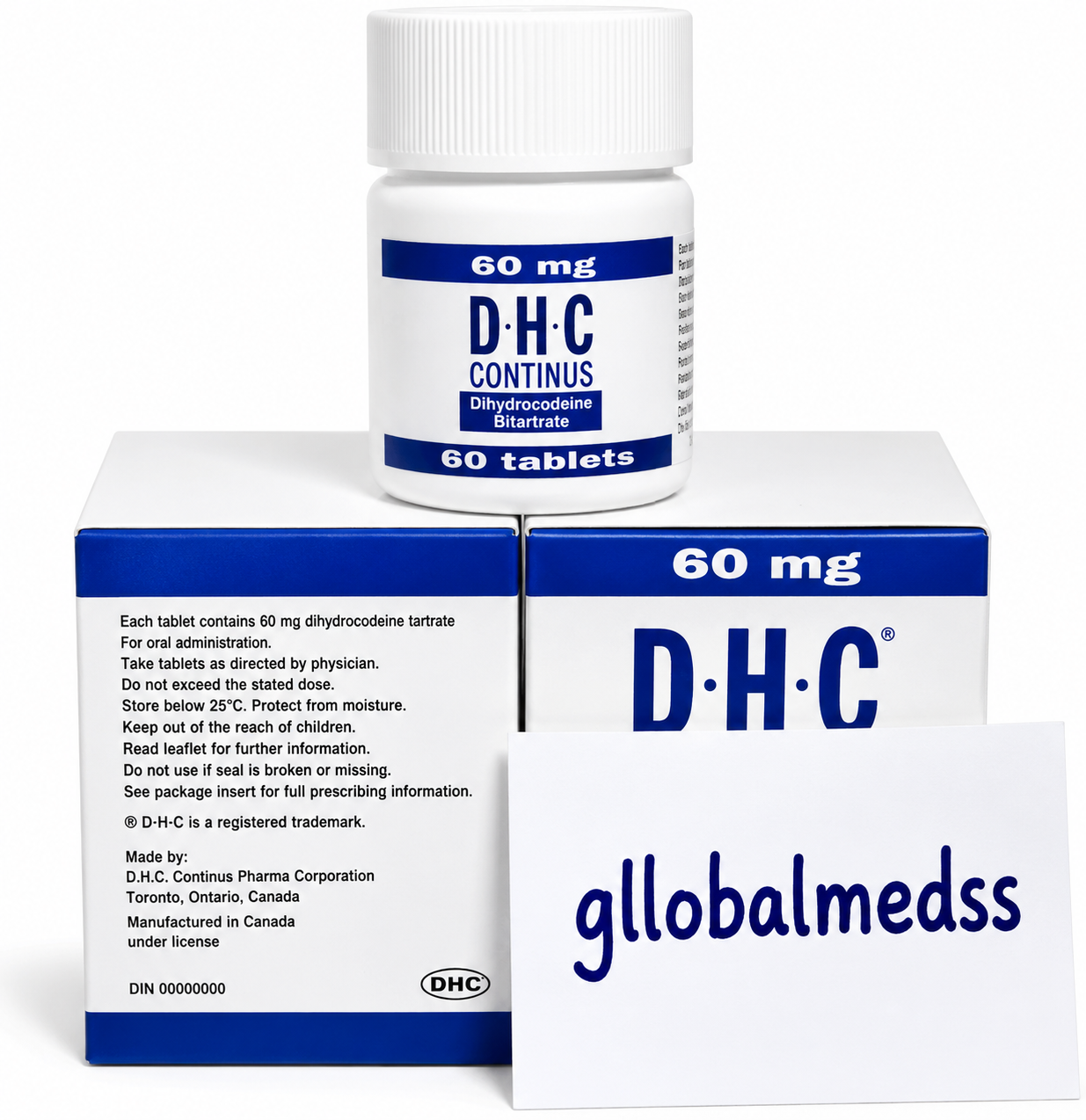

Buy Dihydrocodeine 60mg Tablets Online
Buy Dihydrocodeine 60mg Tablets Online. Pain management is an important part of healthcare, helping individuals maintain comfort, mobility, and quality of life when dealing with injuries, medical conditions, or recovery from surgery. Healthcare professionals may prescribe different medications depending on the severity and type of pain being treated. One such medication is Dihydrocodeine 60mg Tablets, a prescription opioid medicine used for the management of moderate to severe pain under professional medical supervision.
This educational guide explains what Dihydrocodeine 60mg Tablets are, how they work, common medical uses, potential benefits, possible side effects, safety considerations, and the importance of responsible medication use.
What Are Dihydrocodeine 60mg Tablets?
Dihydrocodeine is a prescription opioid analgesic used to help relieve moderate to severe pain when other treatments may not provide sufficient relief. It works by affecting the way pain signals are processed in the brain and nervous system.
Healthcare professionals may prescribe Dihydrocodeine for:
- Moderate to severe pain
- Postoperative pain management
- Injury-related pain
- Certain chronic pain conditions
- Pain associated with medical procedures
- Other approved medical uses under professional supervision
Because Dihydrocodeine is an opioid medication, it should only be used according to a healthcare provider’s instructions.
How Dihydrocodeine Works
Pain signals travel through the nervous system to the brain, where they are interpreted as discomfort. Dihydrocodeine works by interacting with opioid receptors in the brain and spinal cord.
This action may help:
- Reduce the perception of pain
- Improve comfort levels
- Support physical functioning
- Enhance quality of life during recovery
- Improve the ability to perform daily activities
The effectiveness of treatment varies depending on the individual, the cause of pain, and the prescribed dosage.
Understanding Pain and Pain Management
Pain is the body’s natural response to injury, illness, or medical conditions. While temporary pain often improves as healing occurs, some individuals experience ongoing discomfort that may require professional treatment.
Common causes of pain include:
- Injuries
- Surgical procedures
- Musculoskeletal conditions
- Nerve-related disorders
- Chronic medical conditions
- Inflammatory diseases
Effective pain management often involves a combination of medication, physical therapy, healthy lifestyle habits, and ongoing medical care.
Common Medical Uses of Dihydrocodeine 60mg Tablets
Post-Surgical Recovery
After certain surgical procedures, patients may experience significant discomfort requiring prescription pain management under healthcare supervision.
Injury-Related Pain
Serious injuries may result in pain that affects mobility and daily functioning. Healthcare professionals may recommend appropriate pain treatment based on the severity of symptoms.
Chronic Pain Conditions
In selected cases, opioid medications may be prescribed for ongoing pain when alternative therapies have not provided sufficient relief and when the potential benefits outweigh the risks.
Severe Pain Episodes
Certain medical conditions may cause severe pain that requires stronger prescription medications for symptom management.
Potential Benefits of Dihydrocodeine Treatment
When prescribed appropriately and monitored by healthcare professionals, Dihydrocodeine may provide several therapeutic benefits.
Effective Pain Relief
Many patients experience reduced pain intensity and improved comfort.
Improved Daily Functioning
Managing pain effectively may help individuals participate more comfortably in daily activities and responsibilities.
Better Recovery Support
Pain control can support physical recovery and participation in rehabilitation programs.
Improved Sleep
Reducing discomfort may help improve rest and sleep quality during recovery.
Enhanced Quality of Life
Appropriate pain management may positively influence emotional well-being and overall comfort.
Importance of Professional Medical Supervision
Because Dihydrocodeine is an opioid medication, healthcare professionals carefully evaluate patients before prescribing treatment.
Factors considered may include:
- Medical history
- Pain severity
- Current medications
- Respiratory health
- Previous opioid exposure
- Existing medical conditions
- Risk factors for medication-related complications
Regular medical follow-up helps support safe and effective treatment.
Common Side Effects
Like all medications, Dihydrocodeine may cause side effects.
Common side effects may include:
- Drowsiness
- Dizziness
- Nausea
- Vomiting
- Constipation
- Dry mouth
- Fatigue
- Mild confusion
Not all individuals experience side effects, and severity may vary among patients.
Patients should discuss any concerns or unusual symptoms with their healthcare provider.
Important Safety Considerations
Because Dihydrocodeine affects the central nervous system, responsible use is essential.
Take Medication Exactly as Prescribed
Patients should follow dosage instructions carefully and never take more than prescribed.
Avoid Alcohol
Combining opioid medications with alcohol may increase serious health risks.
Use Caution When Driving
Some individuals may experience drowsiness or reduced alertness during treatment.
Store Medication Securely
Prescription opioids should be kept in a secure location away from children and unauthorised individuals.
Attend Follow-Up Appointments
Regular medical reviews help monitor treatment effectiveness and patient safety.
Dependence and Misuse Risks
Long-term opioid use may increase the risk of:
- Physical dependence
- Tolerance development
- Withdrawal symptoms
- Misuse
- Addiction in some individuals
Healthcare providers carefully balance potential benefits and risks when considering opioid treatment.
Patients should never adjust treatment independently without professional guidance.
Drug Interactions
Dihydrocodeine may interact with certain medications and substances.
Examples include:
- Alcohol
- Sedatives
- Sleeping medications
- Anti-anxiety medications
- Certain antidepressants
- Other opioid medications
Patients should always provide healthcare professionals with a complete list of medications, supplements, and over-the-counter products they use.
Non-Medication Pain Management Strategies
Pain management often involves more than medication alone.
Physical Therapy
Therapeutic exercises may help improve mobility, strength, and recovery.
Healthy Lifestyle Habits
Maintaining overall health may support pain management and recovery.
Helpful practices include:
- Regular physical activity when appropriate
- Balanced nutrition
- Stress management
- Adequate hydration
- Quality sleep
Heat and Cold Therapy
Depending on the condition, healthcare professionals may recommend heat or cold treatments to help manage symptoms.
Rehabilitation Programs
Structured rehabilitation plans may support long-term recovery and improved function.
Understanding Chronic Pain
Chronic pain affects millions of people worldwide and may continue for months or longer.
Common causes may include:
- Arthritis
- Nerve injuries
- Back disorders
- Musculoskeletal conditions
- Previous trauma or surgery
Successful management often requires individualised treatment plans developed by healthcare professionals.
Importance of Patient Education
Reliable healthcare information helps patients make informed decisions regarding treatment options and medication safety.
Benefits of patient education include:
- Better understanding of treatment goals
- Improved medication adherence
- Increased awareness of side effects
- Enhanced communication with healthcare providers
- Improved long-term health outcomes
Access to trustworthy healthcare information supports responsible care and informed decision-making.
When to Seek Immediate Medical Attention
Emergency medical assistance should be sought if a patient experiences:
- Difficulty breathing
- Extreme drowsiness
- Loss of consciousness
- Severe allergic reactions
- Signs of overdose
- Significant confusion
- Unusual changes in alertness
Prompt medical attention can be critical in serious situations.
Supporting Long-Term Wellness
Pain management should focus not only on symptom relief but also on overall health and well-being.
Helpful wellness practices may include:
- Following healthcare recommendations
- Maintaining healthy routines
- Staying physically active when appropriate
- Managing stress effectively
- Attending regular healthcare appointments
- Prioritising quality sleep
Combining healthy lifestyle habits with professional medical guidance may contribute to improved comfort and quality of life.
Trusted Healthcare Information and Support
For additional healthcare information and wellness resources, visit:
Website: https://gllobalmedss.com/
Contact Information:
- WhatsApp: +1 (505) 239-4465
- Email: globalmeds57@gmail.com
Final Thoughts
Dihydrocodeine 60mg Tablets are prescription opioid medications used for the management of moderate to severe pain under professional medical supervision. While they may provide important therapeutic benefits for selected patients, responsible use, regular monitoring, and patient education remain essential components of safe treatment.
Individuals experiencing significant or ongoing pain should consult qualified healthcare professionals to determine appropriate treatment options based on their specific medical needs. Combining professional guidance, informed decision-making, and healthy lifestyle practices may help support recovery, comfort, and overall well-being.
| Quantity | 1Box, 2 Boxes, 4 Boxes |
|---|
Be the first to review “Buy Dihydrocodeine 60mg Tablets Online”
Related products

Product


Product


Product


Product

Product
Reviews
There are no reviews yet.