
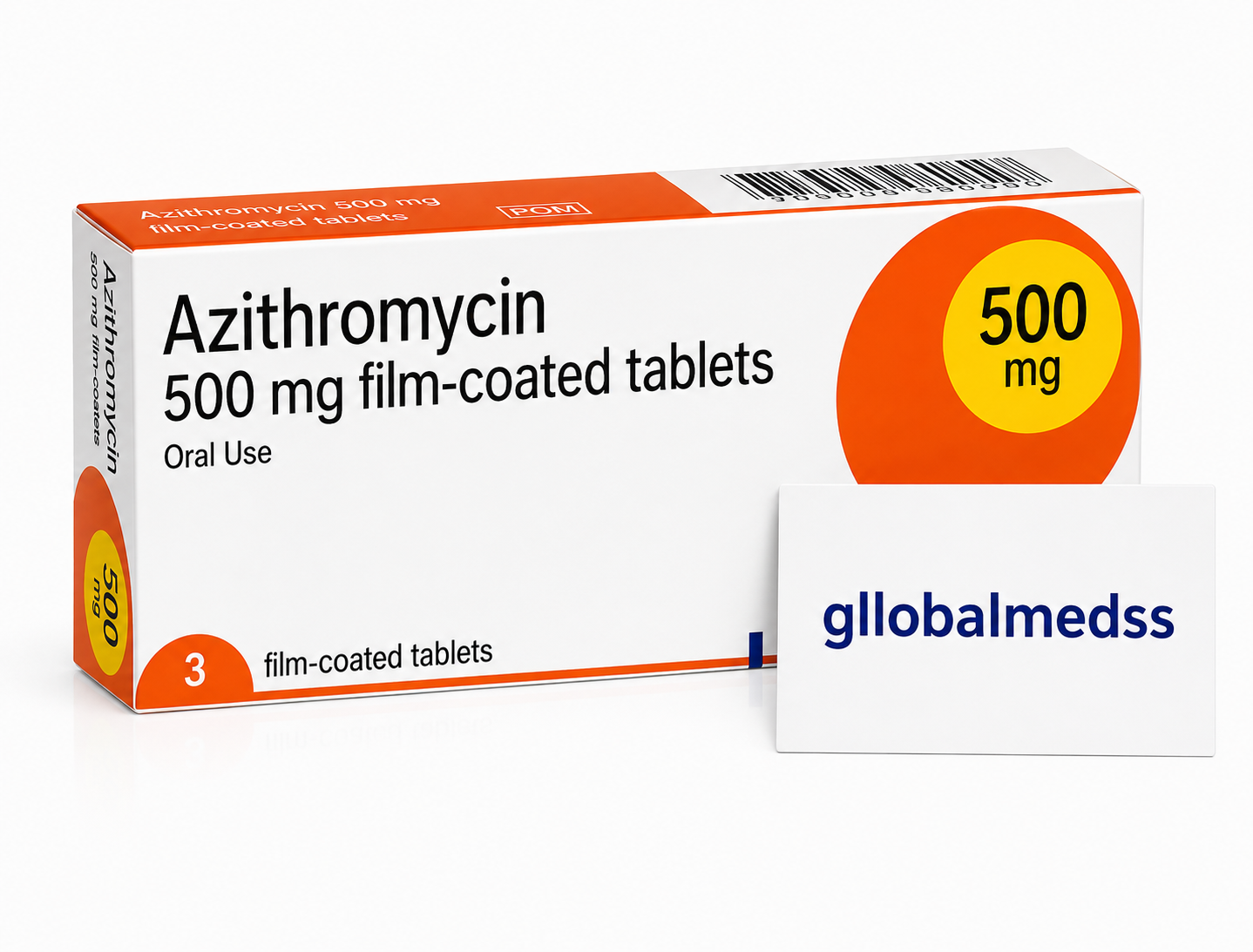

Buy Azithromycin 500mg Tablet Online
Buy Azithromycin 500mg Tablet Online is a prescription antibiotic medication widely used to treat a variety of bacterial infections. It belongs to a group of medicines known as macrolide antibiotics and works by stopping the growth of bacteria that cause infections. Healthcare professionals commonly prescribe azithromycin because of its effectiveness, convenient dosing schedules, and broad range of applications in bacterial infection management.
This educational guide explains what Azithromycin 500mg Tablets are, how they work, common medical uses, potential benefits, side effects, safety precautions, and the importance of responsible antibiotic use.
What Is Azithromycin 500mg Tablet?
Azithromycin is an antibiotic medicine used to treat bacterial infections affecting different parts of the body. It is available in various forms, including tablets, capsules, oral suspensions, and injections. The 500mg tablet strength is one of the most commonly prescribed forms for adults. Azithromycin is effective against many bacterial infections involving the respiratory tract, skin, soft tissues, ears, and certain sexually transmitted infections.
Unlike pain relievers that only reduce symptoms, antibiotics target the bacteria causing the infection, helping the body recover more effectively. However, azithromycin is not effective against viral illnesses such as the common cold or influenza.
How Azithromycin Works
Bacteria require proteins to grow, multiply, and survive. Azithromycin works by interfering with bacterial protein production. By preventing bacteria from producing essential proteins, the medication slows bacterial growth and allows the body’s immune system to eliminate the infection.
Because of its long half-life, azithromycin remains active in the body for an extended period, which often allows for shorter treatment courses compared to some other antibiotics.
Common Uses of Azithromycin 500mg Tablets
Healthcare professionals may prescribe Azithromycin 500mg Tablets for a variety of bacterial infections.
Respiratory Tract Infections
Azithromycin is commonly used to treat infections affecting the respiratory system, including:
- Bronchitis
- Pneumonia
- Pharyngitis
- Tonsillitis
- Sinusitis
These infections may cause symptoms such as coughing, sore throat, congestion, fever, and breathing difficulties.
Ear Infections
Middle ear infections may occur in both children and adults. Azithromycin may be prescribed when healthcare providers determine it is an appropriate treatment option.
Skin and Soft Tissue Infections
Certain bacterial infections affecting the skin and surrounding tissues may respond to azithromycin treatment. Examples include infected wounds and selected skin infections.
Certain Sexually Transmitted Infections
Azithromycin may be prescribed in specific circumstances for certain sexually transmitted bacterial infections when recommended by healthcare professionals.
Benefits of Azithromycin Treatment
When prescribed appropriately, azithromycin may provide several advantages.
Broad-Spectrum Activity
Azithromycin is effective against a wide range of bacterial organisms responsible for common infections.
Convenient Dosing
One reason healthcare professionals frequently prescribe azithromycin is its convenient dosing schedule. Some treatment courses may last only a few days due to the medication’s long-lasting effects.
Good Patient Compliance
Shorter treatment durations may make it easier for patients to complete prescribed courses, improving treatment success.
Effective Infection Control
By targeting bacterial growth, azithromycin may help reduce symptoms and support recovery when used appropriately.
Importance of Completing Antibiotic Treatment
One of the most important aspects of antibiotic therapy is completing the entire prescribed course, even if symptoms improve before treatment ends.
Stopping treatment early may:
- Increase the risk of infection returning
- Allow bacteria to survive
- Contribute to antibiotic resistance
- Reduce treatment effectiveness
Healthcare professionals emphasize responsible antibiotic use to help preserve the effectiveness of these important medicines.
Common Side Effects
Like all medications, Azithromycin 500mg Tablets may cause side effects.
Common side effects include:
- Nausea
- Diarrhea
- Vomiting
- Stomach pain
- Indigestion
- Headache
- Dizziness
These side effects are often mild and temporary. Many patients complete treatment without significant problems.
Patients should contact a healthcare professional if side effects become severe or persistent.
Important Safety Considerations
Take Medication Exactly as Prescribed
Patients should follow healthcare provider instructions carefully and avoid changing doses without medical advice.
Do Not Use for Viral Infections
Azithromycin does not treat viral illnesses such as:
- Common colds
- Influenza
- Most viral sore throats
Using antibiotics unnecessarily may contribute to antibiotic resistance.
Inform Your Healthcare Provider About Existing Conditions
Patients should discuss any history of:
- Liver disease
- Heart rhythm disorders
- Allergies to antibiotics
- Kidney problems
These factors may influence treatment decisions.
Drug Interactions
Azithromycin may interact with certain medications and supplements. Patients should provide healthcare professionals with a complete list of all medicines they take.
Antibiotic Resistance and Responsible Use
Antibiotic resistance occurs when bacteria develop the ability to survive treatment that previously worked effectively.
Responsible antibiotic use includes:
- Taking medication only when prescribed
- Completing prescribed treatment courses
- Avoiding sharing antibiotics
- Not using leftover medication
- Following healthcare provider instructions
These practices help protect both individual and public health.
Supporting Recovery During Treatment
Patients recovering from bacterial infections may benefit from healthy habits such as:
Adequate Hydration
Drinking sufficient fluids may support overall health and recovery.
Rest
Allowing the body adequate time to recover may support the immune system.
Balanced Nutrition
Healthy eating habits may contribute to overall wellness during recovery.
Following Medical Advice
Patients should attend follow-up appointments and report any worsening symptoms promptly.
When to Seek Medical Attention
Patients should seek immediate medical care if they experience:
- Difficulty breathing
- Severe allergic reactions
- Persistent severe diarrhea
- Chest pain
- Severe dizziness
- Irregular heartbeat
- Significant worsening of symptoms
Prompt medical evaluation may be necessary in these situations.
Patient Education and Healthcare Awareness
Understanding medications helps patients make informed healthcare decisions.
Benefits of patient education include:
- Improved treatment adherence
- Better understanding of medication risks and benefits
- Increased awareness of antibiotic resistance
- Enhanced communication with healthcare providers
- Improved health outcomes
Reliable healthcare information is an important part of responsible medical care.
Healthcare Information and Support
For healthcare information and educational resources:
Website: https://gllobalmedss.com/
WhatsApp: +1 (505) 239-4465
Email: globalmeds57@gmail.com
Final Thoughts
Azithromycin 500mg Tablet is a commonly prescribed antibiotic used to treat a wide range of bacterial infections affecting the respiratory tract, skin, ears, and other parts of the body. When used appropriately under professional medical supervision, it may help support recovery from bacterial illnesses and improve patient outcomes.
Because antibiotics should only be used when medically appropriate, individuals experiencing symptoms of infection should consult qualified healthcare professionals for diagnosis, treatment recommendations, and personalized medical advice. Responsible antibiotic use remains essential for protecting both individual and public health.
| Quantity | 1box, 2 boxes, 4 boxes, 5boxes |
|---|
1 review for Buy Azithromycin 500mg Tablet Online
Add a review
Related products




cihiba –
I am extremely pleased with the service provided by this website. The platform is easy to navigate, and the team genuinely cares about customer satisfaction. Everything arrived on time, and the quality exceeded my expectations.