
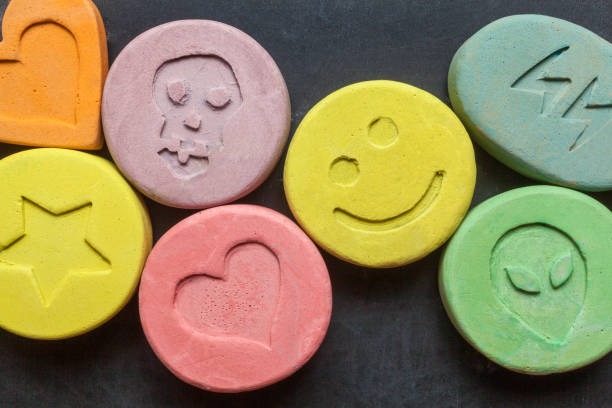
Jul
Everything You Need to Know About MDMA and Ecstasy
Everything You Need to Know About MDMA and Ecstasy. MDMA and Ecstasy are among the most widely recognized psychoactive substances worldwide. Although many people use the terms interchangeably, there are important differences between the two. Understanding these differences, along with their effects, potential risks, and legal considerations, is essential for making informed decisions.
This guide covers everything you need to know about MDMA and Ecstasy, including how they work, common effects, possible side effects, safety concerns, and why education is important for reducing harm.
What Is MDMA?
MDMA (3,4-methylenedioxymethamphetamine) is a synthetic psychoactive substance known for producing stimulant and empathogenic effects. It increases the activity of neurotransmitters such as serotonin, dopamine, and norepinephrine in the brain.
Many individuals report that MDMA creates feelings of:
- Increased empathy
- Emotional closeness
- Elevated mood
- Enhanced sensory perception
- Increased energy
- Greater sociability
These effects have contributed to its popularity in nightlife settings, music festivals, and certain research environments.
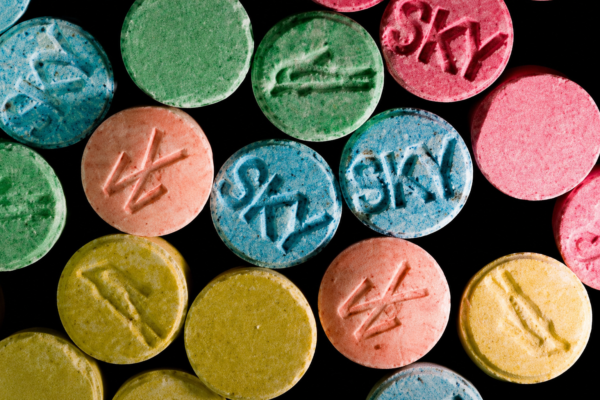
What Is Ecstasy?
Ecstasy generally refers to tablets or capsules sold as containing MDMA. However, unlike laboratory-tested pure MDMA, Ecstasy purchased through unregulated sources may contain additional substances.
These may include:
- Amphetamines
- Caffeine
- Synthetic cathinones
- Ketamine
- Other unknown compounds
Because of this variability, Ecstasy can be significantly less predictable than tested MDMA.
MDMA vs. Ecstasy: What’s the Difference?
Although the names are often used interchangeably, they are not exactly the same.
| MDMA | Ecstasy |
|---|---|
| Pure chemical compound | Usually tablet or capsule marketed as MDMA |
| Often appears as crystals or powder | Usually pressed pills with logos |
| May be laboratory-tested | Composition may vary widely |
| More predictable when verified | Greater uncertainty regarding ingredients |
Understanding this distinction is one of the most important aspects of learning everything you need to know about MDMA and Ecstasy.
How Does MDMA Affect the Brain?
MDMA works primarily by increasing serotonin release.
Serotonin influences:
- Mood
- Sleep
- Appetite
- Emotional regulation
- Memory
- Social behavior
The sudden increase in serotonin creates many of the positive emotional effects associated with MDMA. However, after the effects wear off, serotonin levels temporarily decrease, which may contribute to fatigue or low mood during recovery.
Common Short-Term Effects
Effects usually begin within 30 to 60 minutes after use and may last several hours.
Common experiences include:
- Feelings of happiness
- Emotional openness
- Increased confidence
- Enhanced appreciation of music
- Increased physical energy
- Warmth toward others
- Heightened touch sensations
Physical effects may include:
- Increased heart rate
- Dilated pupils
- Sweating
- Jaw clenching
- Dry mouth
- Elevated body temperature
- Reduced appetite
Individual experiences vary depending on dose, health, environment, and the substance actually consumed.
Possible Risks and Side Effects
Like many psychoactive substances, MDMA and Ecstasy can produce unwanted effects.
Potential side effects include:
- Anxiety
- Restlessness
- Dehydration
- Nausea
- Muscle tension
- Insomnia
- Increased blood pressure
- Rapid heartbeat
More serious complications can occur, particularly with high doses, repeated use, overheating, or substances sold as Ecstasy that contain unexpected ingredients.
These complications may include:
- Heatstroke
- Severe dehydration
- Hyponatremia (dangerously low sodium)
- Heart complications
- Seizures
- Serotonin syndrome
Prompt medical attention is important if severe symptoms occur.
Recovery After Use
Many individuals report experiencing a temporary “comedown” after MDMA use.
Symptoms may include:
- Low mood
- Fatigue
- Difficulty concentrating
- Irritability
- Sleep disturbances
- Reduced motivation
Recovery experiences differ from person to person and may depend on dose, frequency of use, sleep quality, hydration, and overall health.
Harm Reduction Considerations
For individuals who choose to use MDMA despite the risks, harm reduction practices can help reduce—but not eliminate—potential harms.
Common harm reduction recommendations include:
- Avoid mixing with alcohol or other drugs.
- Stay hydrated without overconsuming water.
- Take breaks from dancing to cool down.
- Be cautious of high temperatures.
- Avoid frequent or repeated dosing.
- Never assume a pill contains only MDMA.
- Use drug-checking services where legally available.
These practices cannot guarantee safety but may help reduce some preventable risks.
Medical Research
Researchers continue studying MDMA for potential therapeutic applications under carefully controlled clinical conditions.
Current areas of investigation include:
- Post-traumatic stress disorder (PTSD)
- Anxiety associated with life-threatening illness
- Social anxiety in specific populations
It is important to understand that clinical research uses pharmaceutical-grade MDMA administered under strict medical supervision. These findings should not be interpreted as evidence that unregulated recreational use is safe or medically beneficial.
Is MDMA Addictive?
MDMA is generally considered to have a lower potential for dependence than many other stimulants, but repeated use can still lead to problematic patterns for some individuals.
People may develop:
- Psychological dependence
- Increased tolerance
- Cravings
- Difficulty limiting use
Regular heavy use may also increase the likelihood of negative mental and physical health effects.
Legal Status
MDMA is classified as a controlled substance in many countries, making its manufacture, possession, or distribution illegal outside approved research settings.
Legal consequences vary by jurisdiction and may include fines or criminal penalties. Anyone seeking information should review the laws applicable to their own location.
Frequently Asked Questions
Is MDMA the same as Ecstasy?
Not exactly. MDMA is a specific chemical compound, while Ecstasy usually refers to tablets that may contain MDMA along with other substances.
How long do the effects last?
Effects typically last between 3 and 6 hours, though some after-effects may continue longer.
Can Ecstasy contain substances other than MDMA?
Yes. Unregulated Ecstasy tablets may contain a variety of different substances, making their effects unpredictable.
Why is testing important?
Because appearance alone cannot confirm what a substance contains. Laboratory analysis or authorized drug-checking services provide more reliable information than visual inspection.
Final Thoughts
Understanding everything you need to know about MDMA and Ecstasy begins with recognizing the differences between pure MDMA and Ecstasy products sold through unregulated markets. While MDMA is known for its empathogenic and stimulant effects, it also carries significant health risks, particularly when used irresponsibly or when products contain unknown ingredients.
Education, informed decision-making, and awareness of potential harms are essential. Scientific research continues to explore possible medical applications of MDMA under controlled conditions, but recreational use remains associated with important legal and health considerations. Staying informed through reliable, evidence-based information is the best way to understand both the potential effects and the risks surrounding MDMA and Ecstasy.
