
Blog
How Elvanse 50mg Tablets Support ADHD Management
Jul
How Elvanse 50mg Tablets Support ADHD Management
How Elvanse 50mg Tablets Support ADHD Management. Attention-deficit/hyperactivity disorder (ADHD) can affect concentration, impulse control, organisation, and everyday functioning at school, work, and home. For some people, medication forms an important part of a broader ADHD treatment plan. Elvanse 50mg Tablets, containing lisdexamfetamine dimesylate, are a prescription stimulant used as part of comprehensive ADHD management in appropriate patients.
Understanding how Elvanse works, what benefits it may provide, and why monitoring is important can help patients have more informed conversations with their healthcare professionals.
What Are Elvanse 50mg Tablets?
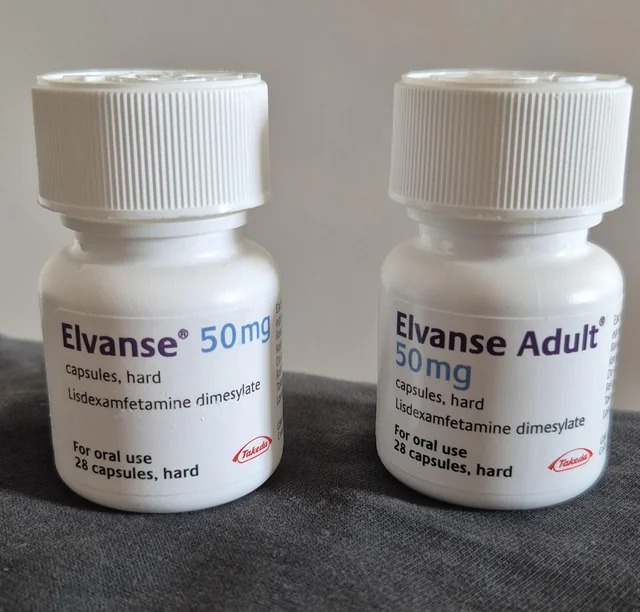
Elvanse 50mg contains 50mg of lisdexamfetamine dimesylate, which is equivalent to 14.8mg of dexamfetamine. Lisdexamfetamine is a prodrug, meaning it is converted in the body into the active medicine dexamfetamine.
In the UK, Elvanse is indicated as part of a comprehensive treatment programme for ADHD in children aged 6 years and over when previous methylphenidate treatment has not provided an adequate clinical response. It is also indicated for adults with ADHD symptoms that were present during childhood. Treatment should be supervised by an appropriately qualified specialist.
Importantly, Elvanse is not suitable for everyone with ADHD. A healthcare professional considers the individual’s symptoms, medical history, previous treatments, potential risks, and response to medication before prescribing it.

How Does Elvanse Support ADHD Symptoms?
Lisdexamfetamine is converted into dexamfetamine, which acts on the central nervous system. Its therapeutic effects in ADHD are thought to involve increased availability of neurotransmitters such as dopamine and norepinephrine, which are involved in attention, motivation, and behavioural regulation.
By influencing these systems, Elvanse may help reduce core ADHD symptoms such as inattention, distractibility, impulsivity, and hyperactivity. Clinical studies have demonstrated improvements in ADHD symptom scores and functional outcomes among appropriately selected patients.
The goal is not to change someone’s personality. Rather, effective ADHD treatment aims to make symptoms more manageable so the individual can better use organisational strategies, participate in education or employment, and manage everyday responsibilities.
Potential Benefits of Elvanse 50mg
When prescribed at an appropriate dose, Elvanse may support several areas of ADHD management.
1. Improved Attention
Difficulty sustaining attention can make studying, working, reading, or completing routine tasks challenging. Treatment with lisdexamfetamine may help reduce distractibility and improve the ability to remain focused on important activities.
2. Better Impulse Control
Impulsivity is another common ADHD symptom. By reducing impulsive behaviour in appropriate patients, medication may help people pause before acting, follow instructions, and make more deliberate decisions.
3. Support for Daily Organisation
ADHD can make planning and completing tasks difficult. When symptoms are better controlled, some people may find it easier to follow schedules, prioritise responsibilities, and finish activities.
4. Longer Daily Symptom Coverage
Elvanse is taken once daily, generally in the morning. Product information reports that its effects continued for approximately 13 hours in children and 14 hours in adults in clinical studies when taken once daily in the morning. Individual experiences can vary considerably.
Why Is 50mg Used?
Elvanse dosing is individualised rather than automatically determined by age or diagnosis. The product information states that treatment commonly starts at 30mg once daily in the morning, although a lower 20mg starting dose may be appropriate in some circumstances. Doses can then be adjusted in 10mg or 20mg increments at approximately weekly intervals according to clinical response and tolerability. The maximum recommended dose is 70mg per day.
Therefore, 50mg should not be considered a standard starting dose. It is one possible dose within an individually adjusted treatment plan. Patients should never increase, decrease, split, or otherwise change their prescribed dose without medical advice.
Elvanse as Part of a Complete ADHD Treatment Plan
Medication is only one component of effective ADHD management. NICE recommends a comprehensive, holistic treatment plan that can address psychological, behavioural, occupational, and educational needs alongside medication.
For example, a person taking Elvanse may also benefit from structured routines, behavioural strategies, psychological support, organisational techniques, educational accommodations, regular exercise, and appropriate sleep habits.
Combining these approaches can help address the practical challenges associated with ADHD rather than relying exclusively on medication.
Monitoring and Safety
Because Elvanse is a stimulant medicine, regular monitoring is an important part of treatment. Before starting therapy, healthcare professionals assess factors such as cardiovascular health, blood pressure, heart rate, weight, existing medical conditions, psychiatric history, and other medicines being taken. During treatment, blood pressure and pulse should be monitored, while weight and other relevant measures are reviewed regularly.
Common or very common adverse effects can include decreased appetite, insomnia, dry mouth, headache, abdominal discomfort, and changes in weight. Some people may also experience anxiety, irritability, increased heart rate, or palpitations.
Patients should contact their healthcare professional if side effects are persistent, troublesome, or worsening. Urgent medical assessment is appropriate for concerning symptoms such as chest pain, unexplained fainting, or symptoms suggestive of a serious cardiovascular or psychiatric reaction.
Who Should Avoid Self-Medicating With Elvanse?
Elvanse is a prescription-only medicine and has potential for misuse, abuse, dependence, and diversion. It should only be taken by the person for whom it has been prescribed and exactly according to medical instructions.
It is particularly important to discuss other medicines with a prescriber. For example, Elvanse must not be used with monoamine oxidase inhibitors (MAOIs) or within 14 days of MAOI treatment because of the risk of a potentially dangerous increase in blood pressure.
Final Thoughts
Elvanse 50mg Tablets can play an important role in ADHD management when prescribed appropriately and monitored carefully. By influencing neurotransmitter activity involved in attention and behavioural regulation, lisdexamfetamine can help reduce ADHD symptoms and improve aspects of daily functioning for suitable patients.
However, effective ADHD care goes beyond medication. Elvanse works best within a personalised treatment programme that may include behavioural, psychological, educational, occupational, and lifestyle support. Anyone considering Elvanse 50mg should speak with a qualified healthcare professional rather than purchasing or using it without a prescription.
Medical Disclaimer: This article is for general educational purposes and does not replace professional medical advice, diagnosis, or treatment. Always use Elvanse exactly as prescribed and consult your healthcare professional with questions about dosage, side effects, interactions, or suitability.
