
Blog
Duloxetine Gastro Tablets: A Complete Patient Guide
Jul
Duloxetine Gastro Tablets: A Complete Patient Guide
Duloxetine Gastro Tablets are a commonly prescribed medication used to treat several conditions related to mental health and chronic pain. If your healthcare provider has recently recommended Duloxetine Gastro Tablets, understanding how they work, their benefits, possible side effects, and the correct way to take them can help you get the best results from your treatment.
This complete patient guide explains everything you need to know about Duloxetine Gastro Tablets, from their uses and dosage to safety precautions and frequently asked questions.
What Are Duloxetine Gastro Tablets?
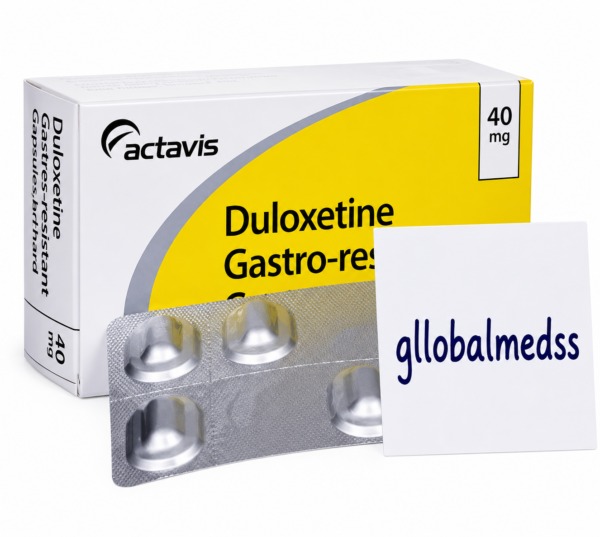
Duloxetine Gastro Tablets: A Complete Patient Guide. Duloxetine Gastro Tablets contain duloxetine, a prescription medication that belongs to a class of medicines known as Serotonin-Norepinephrine Reuptake Inhibitors (SNRIs). These tablets are specially formulated with a gastro-resistant coating that helps protect the medication from stomach acid, allowing it to be absorbed effectively in the intestines.
By increasing the levels of serotonin and norepinephrine in the brain, Duloxetine helps improve mood, reduce anxiety, and relieve certain types of chronic pain.

What Are Duloxetine Gastro Tablets Used For?
Healthcare professionals prescribe Duloxetine Gastro Tablets to manage several medical conditions, including:
- Major Depressive Disorder (MDD)
- Generalized Anxiety Disorder (GAD)
- Diabetic Peripheral Neuropathic Pain
- Fibromyalgia
- Chronic musculoskeletal pain
- Long-term nerve pain associated with certain medical conditions
Because Duloxetine works on both mood and pain pathways, it can be an effective treatment option for patients experiencing both emotional and physical symptoms.
How Duloxetine Gastro Tablets Work
Duloxetine blocks the reabsorption (reuptake) of serotonin and norepinephrine in the brain. These neurotransmitters help regulate mood, emotional balance, and pain perception.
By increasing their availability, Duloxetine may:
- Improve symptoms of depression
- Reduce feelings of anxiety
- Decrease chronic nerve pain
- Improve daily functioning
- Enhance overall quality of life
Unlike fast-acting pain relievers, Duloxetine usually requires several weeks before its full benefits become noticeable.
Benefits of Duloxetine Gastro Tablets
Patients may experience several benefits when taking Duloxetine as prescribed, including:
Improved Mood
Many individuals report reduced feelings of sadness, hopelessness, and emotional distress after consistent treatment.
Reduced Anxiety
Duloxetine may help decrease excessive worrying, panic symptoms, and nervousness associated with anxiety disorders.
Effective Pain Relief
It can help relieve long-term nerve pain and chronic musculoskeletal discomfort that traditional pain medications may not adequately manage.
Better Sleep
As pain and anxiety improve, many patients experience improved sleep quality.
Enhanced Daily Activities
Improved mood and reduced pain often allow individuals to return to work, exercise, and enjoy social activities more comfortably.
How to Take Duloxetine Gastro Tablets
Always follow your healthcare provider’s instructions carefully.
General recommendations include:
- Take the tablet exactly as prescribed.
- Swallow the tablet whole with water.
- Do not crush, chew, or split the tablet.
- Take it at the same time each day.
- It may be taken with or without food.
- Continue treatment even if you begin feeling better unless your doctor advises otherwise.
Missing doses or stopping treatment suddenly can increase the risk of withdrawal symptoms.
Common Dosage Information
The dosage depends on the condition being treated and individual patient factors.
Typical starting doses may include:
- Depression: 30–60 mg once daily
- Anxiety: 30 mg daily initially, increasing if necessary
- Nerve pain: Often begins at 60 mg daily
- Fibromyalgia: Dosage varies according to individual response
Never adjust your dosage without consulting your healthcare provider.
Possible Side Effects
Like all prescription medicines, Duloxetine Gastro Tablets may cause side effects.
Common side effects include:
- Nausea
- Dry mouth
- Dizziness
- Sleepiness
- Constipation
- Loss of appetite
- Increased sweating
- Fatigue
- Headache
These effects are often mild and may lessen as your body adjusts to treatment.
Serious Side Effects
Although uncommon, seek immediate medical attention if you experience:
- Severe allergic reactions
- Difficulty breathing
- Chest pain
- Unusual bleeding
- Suicidal thoughts or worsening depression
- Severe skin rash
- Liver problems (yellowing of skin or eyes)
- High fever with muscle stiffness
- Seizures
Prompt medical evaluation is important if any serious symptoms occur.
Important Safety Precautions
Before taking Duloxetine Gastro Tablets, tell your healthcare provider if you have:
- Liver disease
- Kidney disease
- High blood pressure
- Glaucoma
- Bipolar disorder
- Seizure disorders
- Bleeding disorders
- History of alcohol misuse
Also inform your doctor about all prescription medicines, over-the-counter drugs, herbal products, and supplements you use to reduce the risk of interactions.
Medicines That May Interact
Duloxetine may interact with:
- Monoamine oxidase inhibitors (MAOIs)
- Certain antidepressants
- Blood thinners
- NSAID pain relievers
- Tramadol
- Linezolid
- St. John’s Wort
- Some migraine medications
Never start or stop medications without professional guidance.
Can You Drink Alcohol?
Alcohol should generally be avoided while taking Duloxetine Gastro Tablets.
Combining alcohol with Duloxetine may increase the risk of:
- Drowsiness
- Dizziness
- Liver damage
- Poor coordination
- Increased side effects
Your healthcare provider can offer personalized advice based on your medical history.
Pregnancy and Breastfeeding
If you are pregnant, planning a pregnancy, or breastfeeding, discuss the risks and benefits of Duloxetine with your healthcare provider.
Treatment decisions should always balance the potential benefits with possible risks to both parent and child.
What If You Miss a Dose?
If you forget a dose:
- Take it as soon as you remember.
- If it is nearly time for your next dose, skip the missed dose.
- Do not take two doses at once.
Maintaining a consistent schedule helps maximize treatment effectiveness.
Do Not Stop Suddenly
One of the most important things patients should remember is not to discontinue Duloxetine abruptly.
Suddenly stopping treatment may lead to withdrawal symptoms such as:
- Dizziness
- Nausea
- Irritability
- Anxiety
- Sleep disturbances
- Tingling sensations
- Headaches
Your healthcare provider can create a gradual dose reduction plan if treatment needs to be stopped.
Tips for Getting the Best Results
To improve treatment success:
- Take your medication consistently.
- Attend regular medical appointments.
- Maintain a healthy diet.
- Stay physically active when possible.
- Practice stress-management techniques.
- Get adequate sleep.
- Report any new or worsening symptoms promptly.
- Never share prescription medication with others.
Consistency plays a major role in achieving the full therapeutic benefits.
Frequently Asked Questions
How long does Duloxetine take to work?
Some patients notice improvements within one to two weeks, but full benefits often take four to eight weeks.
Can Duloxetine treat chronic pain?
Yes. It is approved for several chronic pain conditions, including diabetic nerve pain, fibromyalgia, and chronic musculoskeletal pain.
Can I take Duloxetine with food?
Yes. It may be taken with or without food unless your healthcare provider recommends otherwise.
Is Duloxetine addictive?
Duloxetine is not considered addictive, but stopping it suddenly can cause withdrawal symptoms. Always follow your healthcare provider’s instructions.
Should I continue taking it if I feel better?
Yes. Continue treatment until your healthcare provider advises otherwise to help reduce the risk of symptom recurrence.
Final Thoughts
Duloxetine Gastro Tablets can be an effective treatment for depression, anxiety, and several chronic pain conditions when used under the supervision of a qualified healthcare provider. Understanding how the medication works, taking it exactly as prescribed, and being aware of possible side effects can help improve treatment outcomes and overall well-being.
This guide is intended for educational purposes and should not replace professional medical advice. Always consult your healthcare provider regarding diagnosis, treatment decisions, dosage adjustments, or concerns about your medication. Proper medical supervision is essential to ensure Duloxetine Gastro Tablets are used safely and effectively.
