
Blog
Safe Use of Dihydrocodeine 60 mg: Tips for Patients
Jul
Safe Use of Dihydrocodeine 60 mg: Tips for Patients
Safe Use of Dihydrocodeine 60 mg: Tips for Patients. Managing moderate to severe pain can be challenging, especially when it interferes with daily life, work, or recovery after surgery. Dihydrocodeine 60 mg is a prescription opioid pain reliever that is commonly used when other pain medications are not effective enough. While it can provide significant relief, it is essential to use it safely and responsibly to reduce the risk of side effects, dependence, and other complications.
In this guide, we’ll explain how Dihydrocodeine 60 mg works, who may benefit from it, important safety tips, potential side effects, and best practices to ensure effective pain management.
What Is Dihydrocodeine 60 mg?
Dihydrocodeine is an opioid analgesic prescribed to treat moderate to severe pain. It works by binding to opioid receptors in the brain and spinal cord, helping reduce the perception of pain.
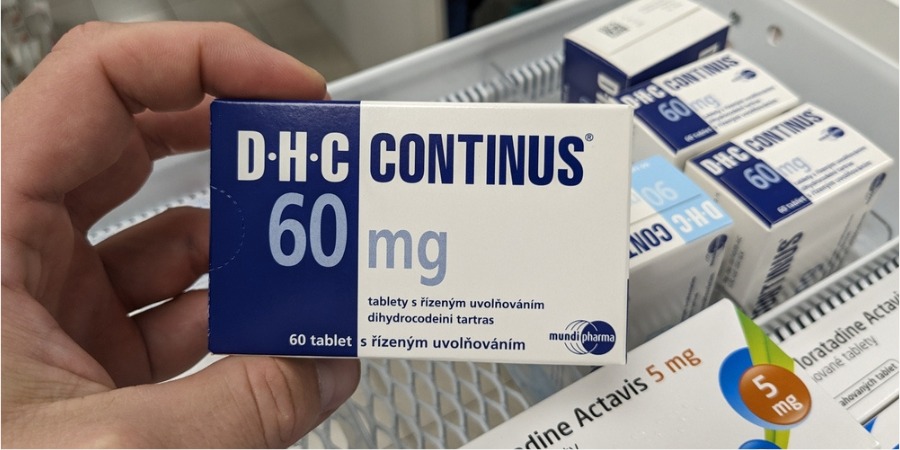
The 60 mg modified-release tablets are designed to provide long-lasting pain relief throughout the day. They are often prescribed for chronic pain conditions that require continuous pain management rather than occasional relief.
Healthcare providers may recommend Dihydrocodeine for:
- Chronic back pain
- Arthritis pain
- Post-operative pain
- Nerve-related discomfort
- Injury recovery
- Long-term pain management plans
Since it is a prescription medication, patients should always follow medical advice carefully.
How Does Dihydrocodeine Work?
Pain signals travel through nerves to the brain. Dihydrocodeine blocks or changes the way these pain signals are interpreted, allowing patients to experience less discomfort.
Modified-release tablets slowly release the medication over several hours, offering consistent pain control without frequent dosing.
This makes the medication suitable for patients who need around-the-clock pain relief.
Benefits of Dihydrocodeine 60 mg
When used correctly, Dihydrocodeine offers several benefits:
Effective Pain Relief
It provides reliable relief for moderate and severe pain that does not respond well to non-opioid medications.
Long-Lasting Action
The modified-release formulation helps maintain steady medication levels in the body, reducing pain fluctuations.
Improved Daily Function
By reducing persistent pain, patients may find it easier to perform everyday activities, sleep better, and maintain mobility.
Better Quality of Life
Effective pain management often contributes to improved physical comfort, emotional well-being, and overall quality of life.
Safe Use Tips for Patients
Using Dihydrocodeine responsibly is the key to maximizing benefits while minimizing risks.
1. Follow Your Prescription Exactly
Always take the medication exactly as prescribed by your healthcare provider.
Never:
- Increase your dose without approval
- Take it more frequently than directed
- Share your medication with anyone else
Using more than prescribed increases the risk of overdose and serious side effects.
2. Swallow Tablets Whole
Modified-release tablets should be swallowed whole with water.
Do not:
- Crush
- Break
- Chew
- Dissolve
Damaging the tablet may release the entire dose at once, increasing the risk of overdose.
3. Avoid Alcohol
Alcohol significantly increases the sedative effects of opioid medications.
Combining alcohol with Dihydrocodeine may lead to:
- Extreme drowsiness
- Slow breathing
- Loss of consciousness
- Life-threatening overdose
Avoid alcoholic beverages throughout your treatment.
4. Do Not Mix with Certain Medications
Some medicines interact with Dihydrocodeine.
Tell your healthcare provider if you take:
- Sleeping tablets
- Anxiety medications
- Muscle relaxants
- Other opioid painkillers
- Certain antidepressants
- Allergy medications that cause drowsiness
Your doctor can determine whether adjustments are needed.
5. Avoid Driving Initially
Dihydrocodeine may affect:
- Alertness
- Coordination
- Reaction time
- Concentration
Avoid driving or operating heavy machinery until you understand how the medication affects you.
Common Side Effects
Like all medications, Dihydrocodeine may cause side effects.
Common ones include:
- Drowsiness
- Constipation
- Nausea
- Dry mouth
- Dizziness
- Mild headache
Many side effects improve as your body adjusts to treatment.
Drinking enough water, eating fiber-rich foods, and staying active may help reduce constipation.
Serious Side Effects
Seek immediate medical attention if you experience:
- Difficulty breathing
- Severe allergic reactions
- Confusion
- Extreme sleepiness
- Blue lips or fingertips
- Fainting
- Seizures
These symptoms require urgent medical care.
Reducing the Risk of Dependence
Because Dihydrocodeine is an opioid medication, long-term use may lead to physical dependence.
Patients can lower their risk by:
- Taking only the prescribed dose
- Using the medication for the shortest appropriate duration
- Never increasing doses without medical advice
- Attending regular follow-up appointments
- Discussing concerns openly with their healthcare provider
Dependence is different from addiction, but both require careful medical supervision.
What If You Miss a Dose?
If you miss a dose:
- Take it when you remember if it is not close to the next scheduled dose.
- Skip the missed dose if your next dose is due soon.
- Never take two doses together to make up for a missed dose.
Following the prescribed schedule helps maintain consistent pain control.
Safe Storage Tips
Proper storage helps prevent accidental use by children or others.
Store Dihydrocodeine:
- In its original packaging
- At room temperature
- Away from moisture and direct sunlight
- Out of reach of children and pets
- In a secure location to prevent misuse
Never leave opioid medications in easily accessible places.
Proper Disposal
Unused medication should never be:
- Shared
- Flushed unless specifically instructed
- Thrown loosely into household trash
Ask your pharmacist about medication take-back programs or safe disposal methods available in your area.
Who Should Inform Their Doctor Before Using Dihydrocodeine?
Inform your healthcare provider if you have:
- Asthma
- Chronic lung disease
- Liver disease
- Kidney disease
- Sleep apnea
- Head injuries
- History of seizures
- Low blood pressure
- Previous opioid sensitivity
Providing a complete medical history helps your doctor determine whether Dihydrocodeine is appropriate for you.
Lifestyle Tips During Treatment
Healthy habits can improve treatment outcomes.
Consider:
- Staying hydrated
- Eating nutritious meals
- Including fiber to reduce constipation
- Engaging in light physical activity when appropriate
- Getting enough sleep
- Keeping all follow-up appointments
Combining medication with healthy lifestyle choices supports overall recovery.
Frequently Asked Questions
Can I stop taking Dihydrocodeine suddenly?
If you have been taking it regularly for an extended period, stopping suddenly may cause withdrawal symptoms. Always consult your healthcare provider before discontinuing treatment.
Can I take it with food?
Yes. Taking Dihydrocodeine with food may help reduce nausea in some patients.
Is it suitable for long-term pain?
Some patients require long-term opioid therapy under careful medical supervision. Your doctor will regularly review your treatment to ensure the benefits continue to outweigh the risks.
Can older adults take Dihydrocodeine?
Older adults may be more sensitive to opioid medications. Lower doses and closer monitoring may be recommended.
Why Buying from a Trusted Pharmacy Matters
When purchasing prescription medications online, choosing a reputable and licensed pharmacy is essential. Trusted pharmacies provide genuine medications, secure ordering processes, clear dosage information, and access to qualified healthcare professionals when needed.
Avoid purchasing opioid medications from unverified sources, as counterfeit products may be ineffective or dangerous.
Final Thoughts
Dihydrocodeine 60 mg can be an effective option for managing moderate to severe pain when used under the guidance of a qualified healthcare professional. Following the prescribed dosage, avoiding alcohol and interacting medications, storing the tablets securely, and attending regular medical reviews all contribute to safer treatment.
Remember that opioids should always be used responsibly. If you have questions about your medication, experience unexpected side effects, or feel your pain is not adequately controlled, consult your healthcare provider promptly. Safe use, regular monitoring, and open communication are the foundation of successful pain management, helping you achieve better comfort while minimizing potential risks.
