
Blog
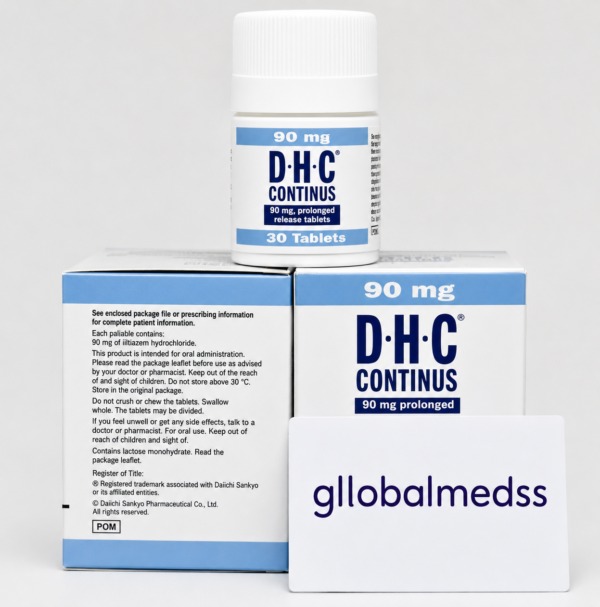
What’s D H C Continus 60mg and How’s It Used
Jun
What’s D H C Continus 60mg and How’s It Used
What’s D H C Continus 60mg and How’s It Used. When managing moderate to severe pain, healthcare professionals may prescribe long-acting pain relief options designed to provide extended comfort throughout the day. One such medication is DHC Continus 60mg, a prolonged-release pain relief medicine that contains dihydrocodeine, an opioid analgesic commonly used for ongoing pain management.
Understanding how DHC Continus 60mg works, when it may be prescribe, and how it should be use can help patients make informed decisions and follow medical advice more effectively.

What Is DHC Continus 60mg?
DHC Continus 60mg is a modifing-release tablet containing 60mg of dihydrocodeine tartrate. Dihydrocodeine belongs to a group of medicines known as opioid pain relievers, which work by acting on the nervous system to reduce the sensation of pain.
The “Continus” formulation means the medicine is design to release gradually over time, providing longer-lasting pain control compare with immediate-release formulations.
Doctors may prescribe DHC Continus for people experiencing pain that requires consistent management rather than occasional relief.
How Does DHC Continus 60mg Work?
Dihydrocodeine affects opioid receptors locate in the brain and spinal cord. These receptors help regulate how pain signals are perceive.
Once taken, DHC Continus slowly releases the active ingredient into the body over several hours. This controll release helps maintain steadier pain relief and may reduce the need for frequent dosing.
Because of its prolong-release design, the tablets should generally be swallow whole and not crush or chew unless specifically instruct by a healthcare professional.
What Is DHC Continus 60mg Use For?
Healthcare providers may prescribe DHC Continus 60mg for various situations involving persistent pain.
Common examples include:
- Long-term musculoskeletal pain
- Pain following certain medical procedures or surgeries
- Ongoing pain associate with chronic conditions
- Situations where regular pain control is need over extend periods
The decision to prescribe opioid medications depends on factors such as pain severity, medical history, previous treatments, and overall health considerations.
Typical Usage Guidance
DHC Continus should always be use exactly as prescribe by a qualifing healthcare professional.
General guidance often includes:
1. Follow the Prescribe Schedule
Extend-release medications are usually take at specific intervals to maintain consistent effects.
2. Swallow Tablets Whole
Breaking, crushing, or chewing prolong-release tablets can interfere with the controll-release mechanism.
3. Avoid Self-Adjusting the Dose
Increasing or decreasing the dose without professional advice may reduce effectiveness or increase unwant effects.
4. Do Not Share Medication
Prescription pain medicines are intend only for the person for whom they were prescribe.
Possible Side Effects
Like many opioid medicines, DHC Continus 60mg may cause side effects in some individuals.
Commonly report effects may include:
- Drowsiness
- Dizziness
- Constipation
- Nausea
- Dry mouth
- Headache
Some people may experience reduce alertness, especially when beginning treatment or after dose changes.
More serious reactions can occur and require prompt medical attention, including unusual sleepiness, difficulty breathing, severe allergic reactions, or confusion.
Important Precautions
Before using DHC Continus 60mg, patients should discuss their medical history with a healthcare professional.
Extra caution may be needed for people who:
- Have breathing-related conditions
- Have liver or kidney concerns
- Are pregnant or breastfeeding
- Take other medicines that affect the nervous system
- Have a history of substance dependence
Alcohol may increase certain effects of opioid medicines and should only be used according to professional advice.
Can DHC Continus Cause Dependence?
Because DHC Continus contains an opioid ingredient, there is potential for tolerance, dependence, and withdrawal symptoms, particularly with long-term use.
Healthcare professionals typically evaluate ongoing treatment regularly to determine whether continued opioid therapy remains appropriate.
Stopping treatment suddenly after prolonged use may not always be recommended, and any changes should generally be guided by a prescriber.
Missed Dose and Storage Information
If a dose is missed, patients should follow the instructions provided by their healthcare provider or medicine information leaflet.
Storage recommendations commonly include:
- Keep tablets in original packaging
- Store at room temperature
- Protect from excess heat and moisture
- Keep out of reach of children and pets
Expired or unused medication should be disposed of according to local pharmacy guidance.
Frequently Asked Questions
Is DHC Continus 60mg the same as regular painkillers?
Not exactly. DHC Continus contains an opioid and is formulated for prolonged pain relief, unlike many standard over-the-counter pain medications.
How long does DHC Continus last?
Its modified-release design is intended to provide longer-lasting effects than immediate-release forms, though timing varies by individual and prescription instructions.
Can I drive while taking DHC Continus?
Some people may experience drowsiness or slower reaction times. Follow local laws and healthcare advice regarding driving and operating machinery.
Can DHC Continus be use for occasional pain?
This medicine is generally use for pain requiring ongoing management rather than short-term, occasional discomfort.
Final Thoughts
DHC Continus 60mg is a prolong-release opioid medication containing dihydrocodeine and is use for managing certain types of moderate to severe ongoing pain under medical supervision. Its extend-release design aims to provide more consistent pain control throughout the day.
As with all prescription medicines, safe and effective use depends on following professional medical guidance, understanding possible side effects, and attending regular treatment reviews. Always consult a qualified healthcare professional before starting, changing, or stopping any medication.
