
Blog
How to Take Codeine Phosphate 30mg Safely
Jun
How to Take Codeine Phosphate 30mg Safely
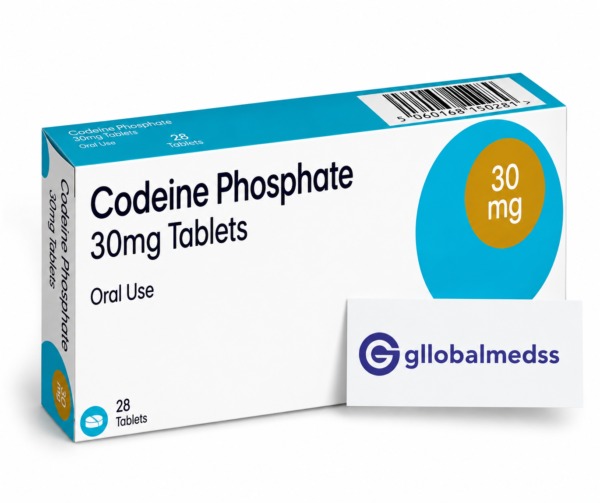
How to Take Codeine Phosphate 30mg Safely. Codeine Phosphate 30mg is a prescription medicine commonly used to relieve pain and, in some cases, to manage specific symptoms such as cough or diarrhea under medical supervision. Because it belongs to the opioid family of medicines, it should be taken carefully and exactly as prescribed. Safe use reduces the risk of side effects, dependence, and accidental overdose.
This guide explains how to take Codeine Phosphate 30mg safely, what to avoid, and when to seek medical advice.

What Is Codeine Phosphate 30mg?
Codeine Phosphate is an opioid medicine that works by changing how your body and brain respond to pain. Doctors may prescribe it for short-term relief of moderate pain when other options are not enough.
The “30mg” refers to the strength of each tablet—not the correct dose for every person. Your healthcare provider decides the appropriate amount based on your age, symptoms, medical history, and any other medicines you take.
Follow Your Prescription Exactly
The most important rule with Codeine Phosphate is simple: take only the amount prescribed for you.
General patient information leaflets commonly state that adults may be prescribed 30–60mg at intervals directed by their clinician, with limits on total daily intake depending on the treatment plan. Never increase the amount because pain relief feels slow or incomplete.
Safe habits include:
- Take the tablet exactly at the instructed time.
- Do not take extra doses.
- Do not shorten the interval between doses.
- Do not continue treatment longer than recommended.
- Never share your medication with anyone else.
Opioid medicines can become less effective over time and repeated use may increase the risk of dependence.
How to Take the Tablet Properly
When using Codeine Phosphate 30mg:
- Swallow the tablet with water.
- Follow instructions provided on your prescription label.
- It may be taken with or without food, although taking it after food may help if nausea occurs.
- Keep a consistent schedule if advised by your doctor.
Do not crush, dissolve, or change the way you take the medicine unless your prescriber specifically instructs you to do so.
What If You Miss a Dose?
If you forget a dose:
- Take it when you remember if it is not close to the next scheduled dose.
- Skip the missed dose if your next dose is due soon.
- Never take two doses together to make up for a missed dose.
If you frequently miss doses, speak with your healthcare provider rather than adjusting the schedule yourself.
Important Things to Avoid While Taking Codeine
Codeine can interact with other substances and increase side effects.
Avoid alcohol
Combining alcohol with codeine can increase drowsiness and may raise the risk of serious breathing problems.
Be careful with other medicines
Tell your doctor or pharmacist if you use:
- Sleep medications
- Anti-anxiety medicines
- Other opioid pain medicines
- Medicines that cause drowsiness
- Herbal or over-the-counter products
Avoid driving until you know how it affects you
Codeine may cause sleepiness, slower reactions, or reduced alertness.
Know the Common Side Effects
Like all medicines, Codeine Phosphate may cause side effects.
Common effects may include:
- Drowsiness
- Constipation
- Nausea
- Dizziness
- Dry mouth
- Mild confusion in some people
Many people experience mild effects that improve as treatment continues, but worsening symptoms should be discussed with a healthcare professional.
Warning Signs That Need Medical Attention
Seek urgent medical help if you experience:
- Slow or shallow breathing
- Extreme sleepiness
- Difficulty waking up
- Confusion
- Severe dizziness
- Blue lips or unusual weakness
These symptoms can indicate a serious reaction or overdose and should not be ignored.
Dependence and Long-Term Use
Codeine contains an opioid ingredient, which means there is a risk of dependence or addiction—especially with higher doses or prolonged use.
To reduce risk:
- Use the lowest effective amount prescribed.
- Do not extend treatment without approval.
- Talk with your doctor if you feel you need more medicine for the same effect.
- Do not stop suddenly after long-term use unless advised to do so.
If treatment needs to end after extended use, your doctor may recommend a gradual reduction plan.
Who Should Use Extra Caution?
Speak with a healthcare professional before using Codeine Phosphate if you:
- Have breathing problems
- Have kidney or liver concerns
- Are pregnant or breastfeeding
- Are older adults
- Have a history of substance misuse
- Take multiple prescription medicines
Special dosing considerations may apply.
Storage and Safe Handling
Store Codeine Phosphate safely:
- Keep tablets in original packaging.
- Store away from heat and moisture.
- Keep out of reach of children and pets.
- Do not keep unused tablets unnecessarily.
- Dispose of unused medicine according to pharmacist guidance.
Final Thoughts
Codeine Phosphate 30mg can be effective when used correctly, but safe use matters as much as symptom relief. Follow your prescription carefully, avoid mixing with alcohol or sedating medicines unless approved, and pay attention to warning signs such as unusual drowsiness or breathing difficulties.
If you have questions about dosing, side effects, or how long to take it, speak with your doctor or pharmacist before making changes to your treatment plan.
