
Blog
How Co-dydramol 10mg/500mg Works for Pain
Jun
How Co-dydramol 10mg/500mg Works for Pain
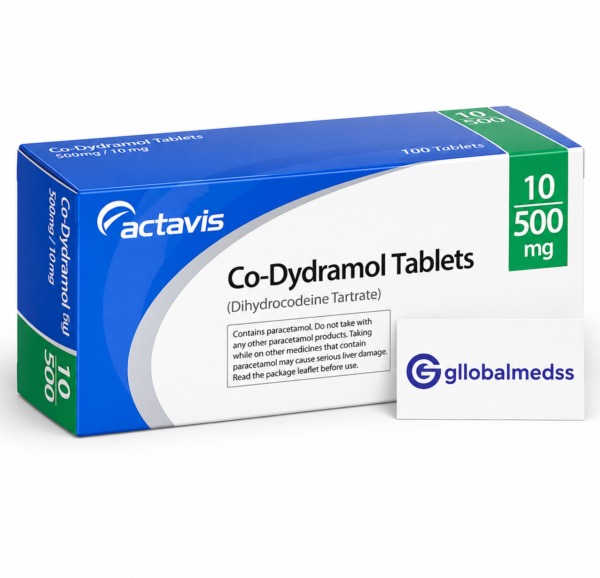
How Co-dydramol 10mg/500mg Works for Pain. Pain can affect daily life in many ways—making simple activities feel difficult and reducing comfort and mobility. When standard pain relief options are not enough, doctors may prescribe combination pain medicines to provide stronger relief. One such medication is Co-dydramol.
Co-dydramol 10mg/500mg is commonly used for mild to moderate pain and combines two active ingredients that work together through different mechanisms. Understanding how this medication works can help patients use it more safely and effectively.

What Is Co-dydramol 10mg/500mg?
Co-dydramol is a combination pain-relief medicine containing:
- 10mg of dihydrocodeine tartrate
- 500mg of paracetamol (also known as acetaminophen in some countries)
These ingredients work in different ways to reduce pain, creating a stronger combined effect than using either medicine alone in many situations. It is often prescribed when standard painkillers do not provide enough relief.
How Co-dydramol Works in the Body
The reason Co-dydramol can be effective is that it targets pain through two different pathways.
1. Paracetamol Reduces Pain Signals
Paracetamol helps reduce the body’s perception of pain.
Although researchers continue to study its exact mechanism, paracetamol is believed to act mainly in the brain and central nervous system by influencing chemical messengers involved in pain signalling. It can also help reduce fever by affecting the brain’s temperature-regulation processes.
Paracetamol is widely used for:
- Headaches
- Muscle pain
- Tooth pain
- Mild body aches
- Fever-related discomfort
On its own, paracetamol may be enough for mild pain, but some conditions require additional support.
2. Dihydrocodeine Blocks Pain Messages
The second ingredient, Dihydrocodeine, belongs to a class of medicines known as opioids.
Dihydrocodeine works primarily in the central nervous system. It binds to opioid receptors in the brain and nervous system, helping reduce the transmission and perception of pain signals travelling through the body.
As a result:
- Pain may feel less intense
- Physical discomfort may become easier to manage
- Daily movement and activities may become more comfortable during treatment
Because dihydrocodeine is stronger than basic pain relievers, it should only be taken as directed.
Why the Combination Can Be Effective
One of the advantages of Co-dydramol is that it combines two different approaches to pain relief.
Paracetamol works on pain-processing pathways, while dihydrocodeine affects opioid receptors involved in pain perception. Together, they may provide broader pain control than either ingredient alone for some patients.
This combined approach is often used because:
- It may improve pain management
- It can reduce reliance on a single mechanism of action
- It supports treatment of moderate pain levels
What Types of Pain Can Co-dydramol Help Treat?
Doctors may prescribe Co-dydramol for several kinds of pain, including:
- Headaches and migraines
- Dental pain
- Muscle aches
- Joint discomfort
- Back pain
- Period pain
- Recovery-related pain after minor procedures
The suitability of Co-dydramol depends on the individual, their medical history, and the cause of pain.
How Long Does Co-dydramol Take to Work?
Co-dydramol usually starts working within about one hour after taking a dose, although individual response times may vary.
Pain relief commonly lasts for around five hours, which is why healthcare providers may recommend spaced dosing intervals rather than taking it continuously.
Factors that may affect how quickly it works include:
- Age
- Body metabolism
- Food intake
- Overall health
- Other medicines being taken
Important Safety Considerations
While Co-dydramol can be effective for pain management, it should be used carefully.
Avoid Taking Extra Paracetamol
Because each tablet already contains 500mg of paracetamol, combining it with additional paracetamol-containing products may increase the risk of overdose.
Use Only as Directed
Dihydrocodeine is an opioid and prolonged use may lead to tolerance, dependence, or withdrawal symptoms in some individuals. Healthcare providers typically review ongoing use to reduce these risks.
Be Aware of Possible Side Effects
Some people may experience:
- Sleepiness
- Nausea
- Constipation
- Dizziness
If side effects become severe or unusual, medical advice is important.
Who Should Speak With a Healthcare Professional Before Using It?
Medical guidance is especially important for people who:
- Have liver problems
- Have breathing conditions
- Take other sedating medications
- Are pregnant or breastfeeding
- Have a history of opioid sensitivity
Treatment decisions should always consider individual health circumstances.
Final Thoughts
Co-dydramol 10mg/500mg works by combining the pain-relieving effects of paracetamol and dihydrocodeine. One ingredient helps reduce how the brain processes pain, while the other acts on opioid receptors to reduce pain perception.
For people dealing with moderate pain that has not improved with standard options, this combination may offer more effective symptom control when used appropriately. Following medical guidance and understanding how the medicine works can help support safer and more effective pain management.
