
Blog
Propranolol 40mg: Uses Benefits & Safety Guide
Aug
Propranolol 40mg: Uses Benefits & Safety Guide
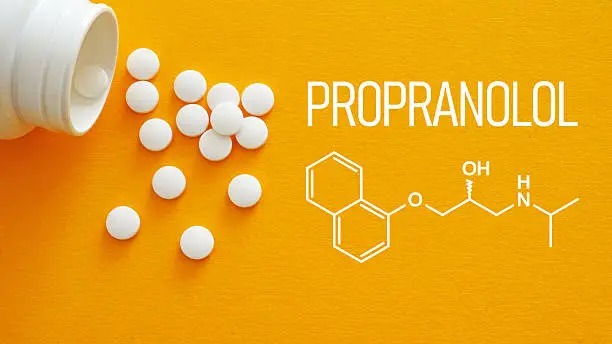
Propranolol 40mg: Uses Benefits & Safety Guide. Propranolol Tablet 40mg is a prescription medicine that belongs to a group of medicines called beta-blockers. It works mainly by affecting the heart and blood circulation, helping reduce the effects of adrenaline on the body. Healthcare professionals may recommend propranolol for several cardiovascular conditions and certain other health concerns.
Understanding how Propranolol 40mg works, why it is prescribed, and what precautions are important can help people use this medicine responsibly. Because propranolol affects heart rate and blood pressure, it should only be used according to the instructions of a qualified healthcare professional.
What Is Propranolol Tablet 40mg?
Propranolol 40mg contains propranolol hydrochloride as its active ingredient. It belongs to the beta-blocker class of medicines. Propranolol works by blocking the effects of certain hormones, particularly adrenaline, on beta receptors in the heart and other parts of the body.
This action can slow the heart rate, reduce the force with which the heart pumps, and lower blood pressure. The medicine can also reduce some physical symptoms associated with increased adrenaline activity.
The 40mg strength provides a commonly prescribed dose for several conditions, although the appropriate dose depends on the individual, the condition being treated, and the response to therapy.
How Does Propranolol 40mg Work?
Propranolol works by blocking beta-adrenergic receptors. These receptors normally respond to adrenaline and related chemicals. When these receptors are blocked, the heart beats more slowly and with less force.
This effect can help decrease the workload on the heart and reduce blood pressure. Propranolol can also reduce physical symptoms such as a rapid heartbeat, shaking, and sweating in certain situations.
The exact effect depends on why the medicine is prescribed. A healthcare professional determines the appropriate dose and treatment schedule based on the patient’s needs.
Common Uses of Propranolol 40mg
Doctors may prescribe Propranolol Tablet 40mg for several conditions. Common uses include:
- High blood pressure
- Certain heart rhythm problems
- Angina, or chest pain related to the heart
- Prevention of some types of migraine
- Symptoms associated with an overactive thyroid
- Certain physical symptoms of anxiety
- Essential tremor
- Prevention of complications associated with certain heart conditions
Propranolol may also have other medical uses depending on the patient’s circumstances. It is important to use the medicine only for the condition and purpose recommended by a healthcare professional.
Potential Benefits of Propranolol
The main benefit of propranolol comes from its ability to reduce the effects of adrenaline on the cardiovascular system. Depending on the condition, this can provide several benefits.
For people with high blood pressure, propranolol can help reduce blood pressure and decrease the workload on the heart. For some heart rhythm conditions, slowing the heart rate can help improve control of an abnormal heartbeat.
Propranolol can also help prevent migraines in some people when taken regularly as prescribed. For essential tremor, reducing the body’s response to adrenaline can decrease involuntary shaking.
When used for physical symptoms associated with anxiety, propranolol may help reduce symptoms such as a racing heartbeat and trembling. However, it does not treat every psychological aspect of anxiety.
How to Take Propranolol Tablet 40mg
Take Propranolol 40mg exactly as prescribed. The dose and frequency depend on the medical condition and individual response.
The tablet should generally be swallowed with water. Follow the instructions provided by the prescribing healthcare professional or included with the medicine.
Try to take each dose at a consistent time. If you forget a dose, follow the instructions provided by your healthcare professional or pharmacist rather than taking extra medicine to compensate.
Do not suddenly stop taking propranolol without medical advice. Abrupt discontinuation can cause serious problems in some people, particularly those with heart conditions.
Possible Side Effects
Like all medicines, propranolol can cause side effects, although not everyone experiences them.
Common side effects may include:
- Dizziness
- Tiredness
- Cold hands or feet
- Slow heartbeat
- Sleep disturbances
- Nausea
- Headache
Some people may experience low blood pressure or excessive slowing of the heart rate. Serious reactions are less common but require prompt medical attention.
Seek medical advice if symptoms become severe, persistent, or unusual. Emergency medical attention is appropriate for serious symptoms such as severe breathing difficulty, fainting, or signs of a serious allergic reaction.
Important Safety Precautions
Propranolol is not suitable for everyone. Tell your healthcare professional about existing medical conditions and all medicines you take before starting treatment.
Extra caution may be necessary for people with asthma or other breathing disorders, certain heart problems, low blood pressure, diabetes, or circulation problems.
Propranolol can sometimes mask warning signs of low blood sugar, such as a rapid heartbeat. People with diabetes should discuss this risk with their healthcare professional.
Propranolol can also interact with other medicines, including certain heart medicines, blood-pressure medicines, and some medicines that affect heart rhythm. Always provide a complete list of prescription medicines, over-the-counter products, and supplements to your healthcare provider.
Propranolol and Daily Activities
Some people experience dizziness or tiredness while taking propranolol, particularly when starting treatment or adjusting the dose. Avoid driving, operating machinery, or performing activities that require full alertness until you know how the medicine affects you.
Alcohol may increase certain side effects such as dizziness or light-headedness. Discuss alcohol consumption with a healthcare professional if you take propranolol regularly.
Why Medical Guidance Matters
Propranolol affects the cardiovascular system, so choosing the correct dose is important. A 40mg tablet does not automatically represent the right dose for every person or every condition.
Your healthcare professional may adjust the dose depending on blood pressure, heart rate, symptoms, medical history, and treatment response. Regular medical monitoring can help ensure that the medicine remains appropriate.
Final Thoughts
Propranolol Tablet 40mg is a beta-blocker that can support the management of several cardiovascular conditions and other medical problems. Its ability to reduce the effects of adrenaline can help control heart rate, blood pressure, tremors, and certain physical symptoms.
Safe use depends on following professional medical advice, taking the prescribed dose, understanding potential side effects, and avoiding sudden discontinuation. Anyone considering Propranolol 40mg should speak with a qualified healthcare professional to determine whether it is suitable for their individual needs.
