Blog
How to Recognize Risks With Molly Tablets: A Safety Guide
Jul
How to Recognize Risks With Molly Tablets: A Safety Guide
How to Recognize Risks With Molly Tablets: A Safety Guide. Molly is a common street name for MDMA, a psychoactive substance associated with increased energy, heightened sensory experiences, and feelings of emotional closeness. Although it is sometimes marketed as “pure” or “high-quality” MDMA, consumers cannot reliably determine what is actually contained in an illegally sold tablet simply by looking at its color, logo, shape, or packaging.
For anyone encountering Molly, understanding the risks associated with unknown tablets is much more important than trying to identify a supposedly premium product. Counterfeit and adulterated substances can contain unexpected drugs, incorrect doses, or combinations that increase the possibility of serious harm.
Why Appearance Does Not Prove Quality
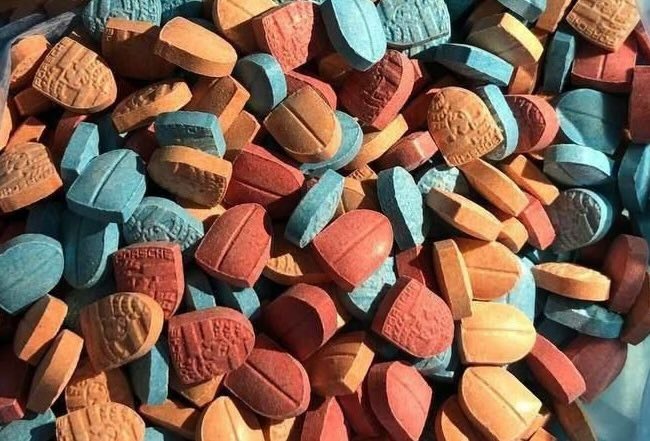
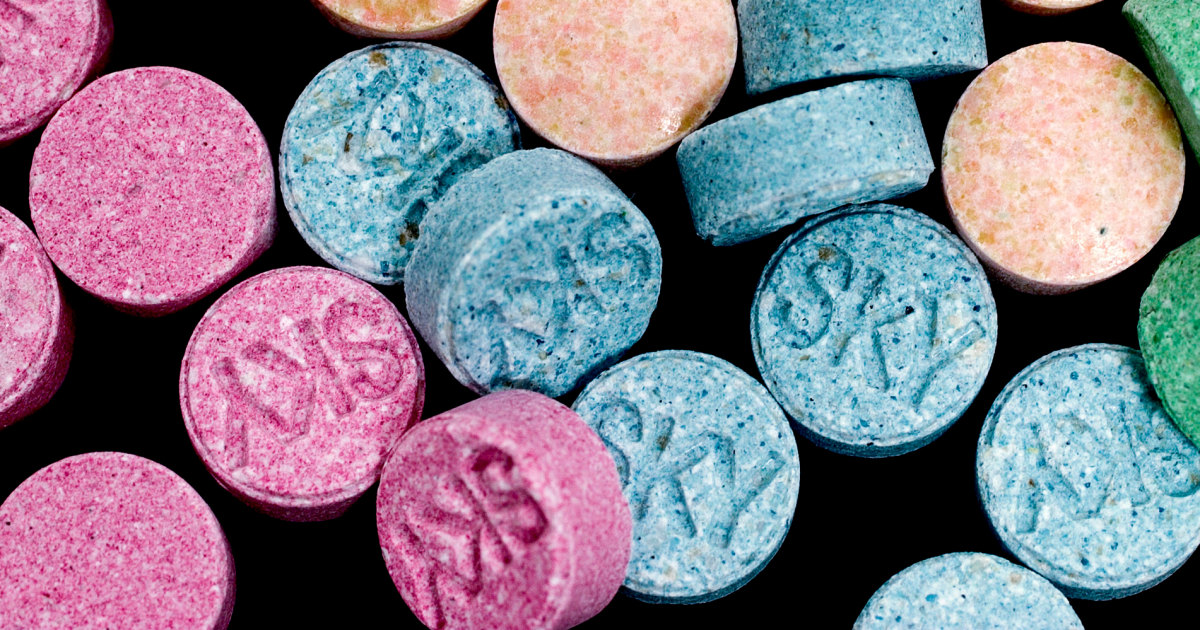
Molly tablets can come in many colors, shapes, and designs. Some may have logos, symbols, or distinctive markings intended to make them appear recognizable. However, these characteristics do not establish what is inside the tablet.
Two tablets that look almost identical can contain completely different substances or different amounts of an active ingredient. Similarly, a tablet that looks professionally manufactured is not necessarily safer.
Marketing terms such as “pure,” “clean,” “pharmaceutical,” or “premium” should therefore be treated with skepticism when applied to illicit drugs. Without reliable laboratory analysis, there is no dependable way to confirm a tablet’s contents merely from its appearance.
The Problem of Counterfeit Tablets
One of the biggest dangers associated with illicit tablets is substitution. A product sold as MDMA may contain another psychoactive substance, a mixture of substances, or an unexpectedly high concentration of an active compound.
Some unexpected substances can have significantly different effects and risks from MDMA. This creates additional uncertainty because a person may believe they know what they have taken when they actually do not.
Counterfeit tablets can also create problems for people who have allergies, take prescription medicines, or have underlying health conditions. The absence of visible warning signs does not mean that a tablet is safe.
Why Dose Is Difficult to Judge
Another major concern is unpredictable strength. Tablets sold under the same name or with the same appearance may not contain the same amount of MDMA.
A person therefore cannot reliably estimate potency based on tablet size, color, logo, seller claims, or previous experiences with a similar-looking product. This uncertainty can increase the risk of taking more than intended or combining substances without realizing the potential consequences.
Claims made in online listings or informal marketplaces should not be considered laboratory evidence. A photograph, description, or customer review cannot establish the actual chemical composition of an illicit tablet.
Drug-Checking Information and Its Limitations
Where legally available, drug-checking services can provide useful harm-reduction information. Depending on the service and technology available, testing may identify certain substances or indicate whether a sample contains unexpected compounds.
However, testing is not necessarily equivalent to a complete laboratory analysis. Some testing methods have important limitations, and a result may not establish the precise concentration of every substance present.
Anyone considering a drug-checking service should follow the instructions provided by the service and understand exactly what its test can and cannot determine. Drug checking should not be interpreted as a guarantee that consumption is safe.
Mixing Substances Can Increase Risk
Combining MDMA with other substances can create additional dangers. This includes alcohol, stimulants, certain recreational drugs, and some prescription medicines.
Particular caution is warranted with medications that affect serotonin. Combining serotonergic substances can contribute to serotonin toxicity, a potentially dangerous condition involving symptoms such as agitation, confusion, sweating, rapid heartbeat, muscle rigidity, tremor, or abnormal body temperature.
Because individual medication and health circumstances differ, people taking prescription medicines should speak with a qualified healthcare professional rather than assuming that recreational drug combinations are harmless.
Recognizing Potential MDMA-Related Emergencies
MDMA can affect body temperature, heart rate, blood pressure, hydration, and mental state. Risk can become greater in hot environments, during prolonged physical activity, or when multiple substances are involved.
Emergency warning signs can include:
- Very high body temperature
- Severe agitation, confusion, or unusual behavior
- Seizures
- Loss of consciousness
- Difficulty breathing
- Severe chest pain
- Extremely rapid or irregular heartbeat
- Repeated vomiting
- Severe muscle rigidity or tremors
These symptoms should be treated as a medical emergency. Seek emergency medical assistance immediately and provide healthcare professionals with as much accurate information as possible about what was taken.
Avoid Relying on Online Reviews
Online reviews and testimonials may appear convincing, but they are not reliable evidence of chemical composition or safety. People may respond differently to the same substance, and products sold under the same name can vary considerably.
A positive review cannot confirm that a tablet is authentic, accurately dosed, or free from unexpected substances. Buyers should therefore avoid treating online ratings, photographs, seller descriptions, or social-media claims as substitutes for professional testing or medical advice.
The Safest Choice Is Not Using Unknown Tablets
The only way to completely avoid the risks associated with an illicit MDMA tablet is not to consume it. For people who are considering use, learning about potential complications and recognizing emergency symptoms can help support safer decisions.
It is also important to remember that legality varies by country and jurisdiction. Purchasing, possessing, or distributing MDMA may carry serious legal consequences.
Final Thoughts
There is no dependable visual checklist for identifying a “quality” Molly tablet. Color, shape, logos, packaging, seller claims, and reviews cannot establish the contents or strength of an illicit product.
Instead of focusing on how to find or purchase supposedly high-quality Molly, consumers should focus on understanding uncertainty, counterfeit risks, drug interactions, testing limitations, and emergency warning signs. If someone develops severe symptoms after taking an unknown substance, seeking urgent medical care is more important than trying to determine exactly what the tablet was afterward.
When it comes to illicit drugs, uncertainty itself is a significant risk. Reliable medical information, professional advice, and appropriate emergency support are far safer sources of guidance than informal sellers or online claims.
