
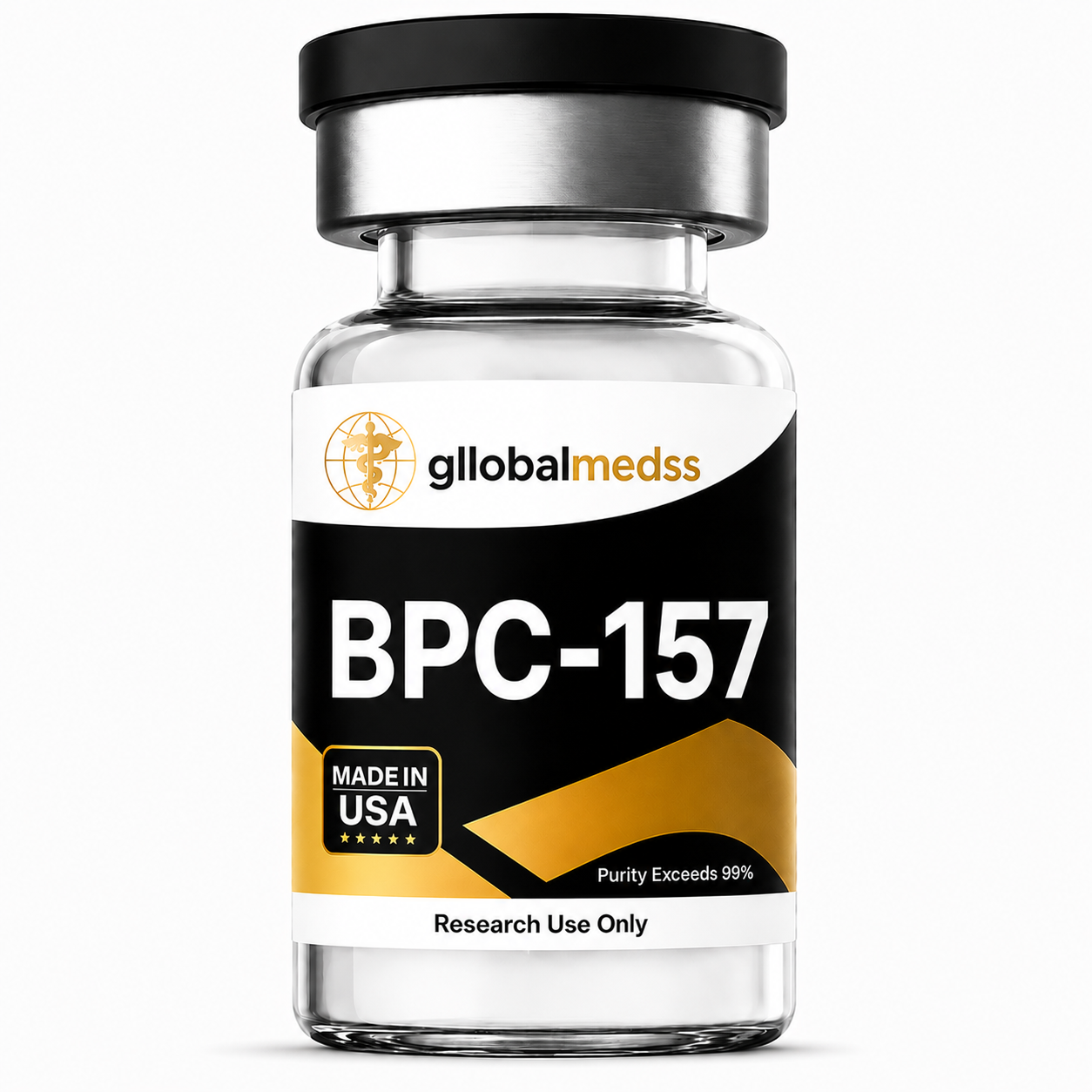
Buy BPC-157 Online
Buy BPC-157 Online The search phrase “ BPC-157 ” appears frequently across websites that discuss peptides, laboratory research, sports science, and experimental compounds. BPC-157 has attracted attention because researchers have investigated its biological activity in several experimental models.
However, online interest does not automatically establish that BPC-157 represents an approved medicine or a clinically proven treatment. Researchers and readers should distinguish experimental research from established medical applications and evaluate product information carefully.
Anyone researching BPC-157 online should examine the compound’s scientific background, product identity, testing documentation, intended use, and regulatory status. This approach helps readers separate reliable information from unsupported marketing claims.
This guide provides general educational information about BPC-157 and explains how researchers can evaluate online product listings responsibly.
What Is BPC-157?
BPC-157 refers to a peptide that researchers have studied in experimental settings. Scientific literature has examined the compound in areas involving biological processes such as tissue responses, gastrointestinal research, and other experimental models.
Much of the available research has involved laboratory and animal studies. Researchers continue to investigate the mechanisms associated with BPC-157, but early experimental findings do not automatically establish safety or effectiveness in humans.
Readers should therefore approach online claims carefully. A website may describe BPC-157 using terms such as healing, recovery, or regeneration, but marketing terminology does not replace controlled clinical evidence.
Why Researchers Study BPC-157
Researchers investigate experimental peptides to understand their biological properties and potential mechanisms.
BPC-157 has received attention in preclinical research because scientists have explored its effects in different experimental models. These studies can provide information about biological pathways and help researchers determine whether further investigation makes scientific sense.
Researchers should evaluate each study according to its design, model, methodology, and limitations.
A result from an animal study does not automatically predict the same result in humans. Similarly, a laboratory observation does not establish that an experimental compound can safely treat a medical condition.
Understanding BPC-157 Online Listings
People searching for “Buy BPC-157 Online” can encounter many types of product listings. Some websites describe BPC-157 as a research peptide, laboratory material, or experimental compound.
Product listings can differ significantly in their descriptions and documentation.
Before evaluating a BPC-157 listing, researchers should look for:
- Exact product identity
- Product specifications
- Manufacturer information
- Lot or batch number
- Certificate of analysis
- Purity testing
- Identity testing
- Storage requirements
- Intended-use statement
- Regulatory information
Researchers should not assume that two products share identical characteristics simply because both websites use the name BPC-157.
Why Product Documentation Matters
Good documentation helps researchers determine whether a research material matches its stated specifications.
A certificate of analysis can provide batch-specific information about testing and purity. Researchers should examine the testing laboratory, analytical methodology, testing date, and batch number when reviewing such documentation.
Additional technical information can include molecular details, storage requirements, handling instructions, and product specifications.
Researchers should avoid relying solely on photographs, testimonials, website design, or promotional statements when assessing product quality.
Scientific documentation provides a more useful foundation for research decisions.
Research Peptides Versus Approved Medicines
One of the most important distinctions involves research compounds and approved medicines.
Regulatory authorities evaluate approved medicines for specific indications and conditions of use. Approved products receive official labelling that identifies appropriate uses, warnings, contraindications, and other requirements.
BPC-157 should not automatically receive the same classification simply because websites describe it using pharmaceutical or medical terminology.
An online listing does not establish regulatory approval, clinical effectiveness, or suitability for human administration.
Researchers should verify the current regulatory status of any compound before making decisions about its use.
Evaluating an Online BPC-157 Supplier
When researching BPC-157 online, transparency should remain a key consideration.
Researchers can evaluate a supplier by asking several questions:
- Does the website clearly identify BPC-157?
- Does the supplier provide product specifications?
- Does the company provide analytical documentation?
- Does the documentation correspond to a particular batch?
- Does the supplier identify the manufacturer?
- Does the website clearly state the intended use?
- Does the supplier avoid unsupported medical claims?
- Does the product information include appropriate storage requirements?
These questions help researchers distinguish technical product information from aggressive advertising.
A transparent supplier should communicate limitations and intended use clearly.
Avoiding Unsupported BPC-157 Claims
Some websites associate BPC-157 with injury recovery, tissue repair, gastrointestinal health, athletic performance, or other medical outcomes.
Readers should evaluate these claims carefully.
Preclinical research can provide useful scientific information, but researchers should not treat experimental findings as proof of a particular human medical benefit.
Reliable scientific evaluation should distinguish among:
- Cell or laboratory research
- Animal studies
- Preclinical research
- Human clinical trials
- Established medical evidence
- Personal testimonials
- Commercial advertising
This distinction allows readers to judge claims according to the strength of the underlying evidence.
Regulatory Considerations
Regulations involving peptides and research compounds vary by jurisdiction.
Depending on the product and intended use, regulations can address manufacturing, distribution, importation, possession, labelling, and human administration.
In the United States, an online product listing does not establish FDA approval. Researchers should consult appropriate regulatory resources to determine the current status of a particular compound.
Researchers should also consider institutional requirements when acquiring, storing, and handling experimental materials.
Anyone researching BPC-157 should verify the laws and regulations that apply in their own location.
Responsible Research Practices
Researchers can improve the quality of their work by using multiple independent sources.
Start with the exact identity of the compound. Then review peer-reviewed scientific literature, regulatory information, technical documentation, and available analytical testing.
Researchers should maintain appropriate records and follow laboratory procedures for storage, handling, and disposal.
A structured research process reduces the risk of confusing marketing claims with scientific evidence.
Why Intended Use Matters
The phrase “research use only” carries an important distinction.
A research compound does not automatically qualify as a medicine or receive authorisation for human administration. Researchers should follow the supplier’s stated intended use and comply with applicable institutional requirements.
Websites should also communicate these limitations clearly.
Clear product information helps prevent confusion between experimental research and clinical treatment.
Anyone seeking treatment for an injury, illness, or other medical condition should consult a qualified healthcare professional rather than relying on an online research compound.
BPC-157 Online Research Checklist
Researchers can use the following checklist when evaluating a BPC-157 listing:
Confirm the identity: Verify exactly what the supplier means by BPC-157.
Review analytical documentation: Examine available certificates of analysis and testing information.
Check the batch: Confirm that documentation corresponds to the relevant lot or batch.
Evaluate intended use: Determine whether the supplier describes the material as a research compound.
Review scientific evidence: Look for peer-reviewed studies rather than relying on testimonials.
Check regulatory status: Consult appropriate regulatory authorities.
Evaluate supplier transparency: Look for clear product specifications and company information.
Check applicable laws: Regulations can differ between countries and jurisdictions.
These steps can help researchers evaluate online information more carefully.
Frequently Asked Questions
What is BPC-157?
BPC-157 is an experimental peptide that researchers have investigated in preclinical models. Scientists continue to study its biological properties and potential mechanisms.
Why do researchers study BPC-157?
Researchers investigate BPC-157 to better understand its biological activity and potential mechanisms in experimental models.
Is BPC-157 an approved medicine?
Readers should not assume that BPC-157 represents an approved medicine simply because websites market it using medical terminology. Researchers should verify current regulatory information independently.
Does an online BPC-157 listing prove product quality?
No. Online availability does not independently establish identity, purity, safety, effectiveness, or regulatory approval.
What should researchers check before evaluating BPC-157?
Researchers should review the exact identity, manufacturer information, testing documentation, certificate of analysis, batch information, intended use, regulatory status, and applicable laws.
Can testimonials prove that BPC-157 works?
No. Testimonials represent individual experiences and cannot replace controlled scientific evidence.
Final Thoughts
The search phrase “Buy BPC-157 Online” can produce numerous commercial and informational results. Responsible research requires readers to look beyond product names and promotional claims.
Researchers should verify the exact identity of BPC-157, examine available analytical documentation, review peer-reviewed research, distinguish experimental compounds from approved medicines, and understand the regulations that apply in their jurisdiction.
For general information about research-related products and available product documentation, visit https://gllobalmedss.com/.
For website-related inquiries, the provided contact details include:
WhatsApp: +1 (505) 239-4465
Email: globalmeds57@gmail.com
Readers should independently verify important product information. For medical questions involving injuries, recovery, gastrointestinal conditions, or other health concerns, consult a qualified healthcare professional.
Disclaimer
This article provides general educational and research information. It does not recommend purchasing, administering, or using BPC-157 or any other unapproved research compound in humans. Product availability, legality, regulatory classification, and intended use can vary by jurisdiction. Readers should verify current requirements with appropriate regulatory authorities and qualified professionals.
1 review for Buy BPC-157 Online
Add a review
Related products
Peptide
Peptide
Peptide
Peptide
Peptide
Lenohar –
Great experience overall! Everything was smooth, professional, and hassle-free. Really happy with the service and would definitely recommend it!